Home › Construction & Industrial Safety Equipment
Construction sites, factories and industrial facilities contain different types of hazards. Workers may be exposed to falling materials, sharp objects, moving machinery, slippery floors, heavy loads, excessive noise, dust, chemicals, poor visibility and the risks associated with working at height.
These hazards cannot be controlled by purchasing a generic PPE kit for every employee. The appropriate construction or industrial safety equipment must be selected based on the work activity, workplace conditions, potential injuries, frequency of exposure and the individual worker.
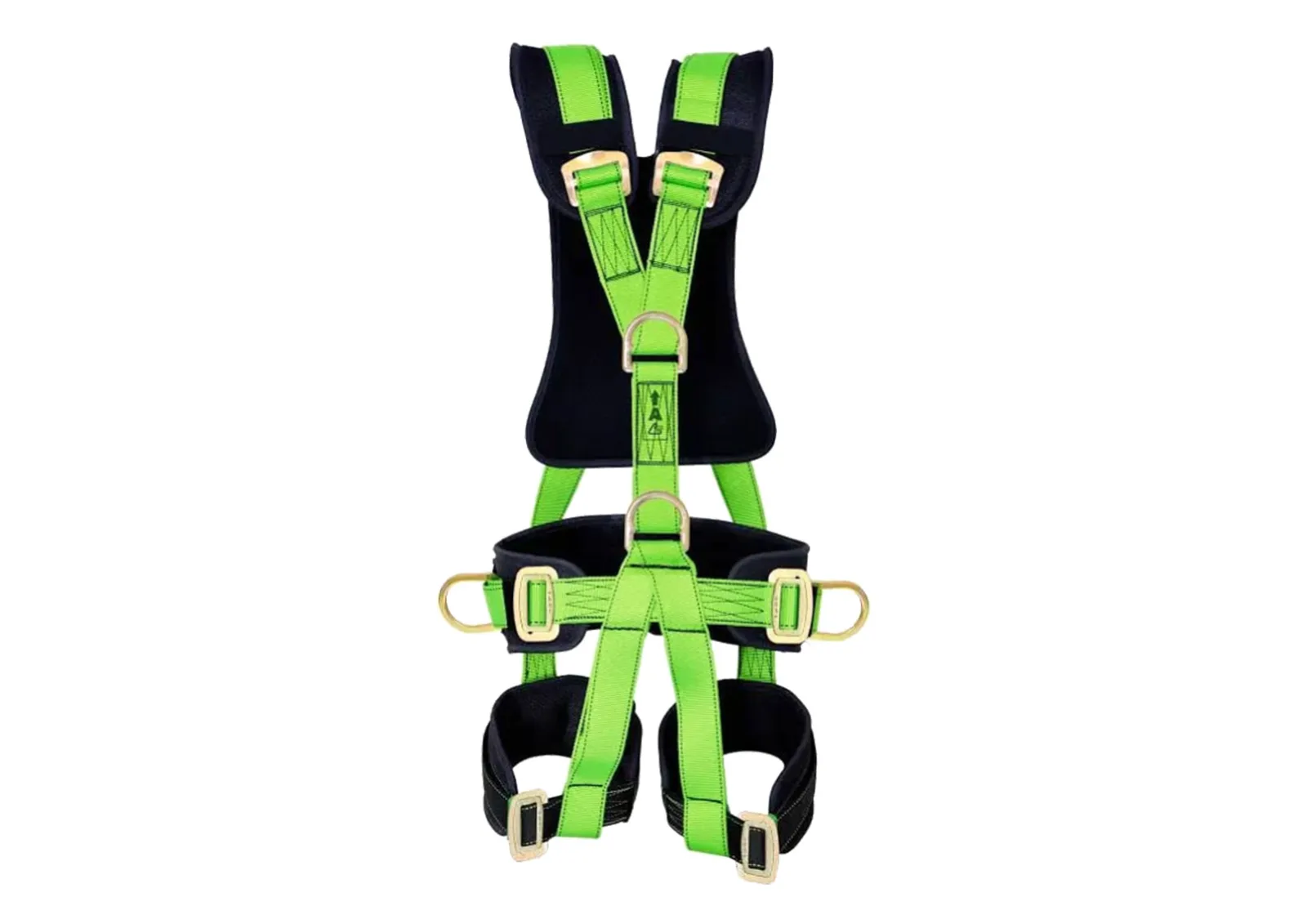
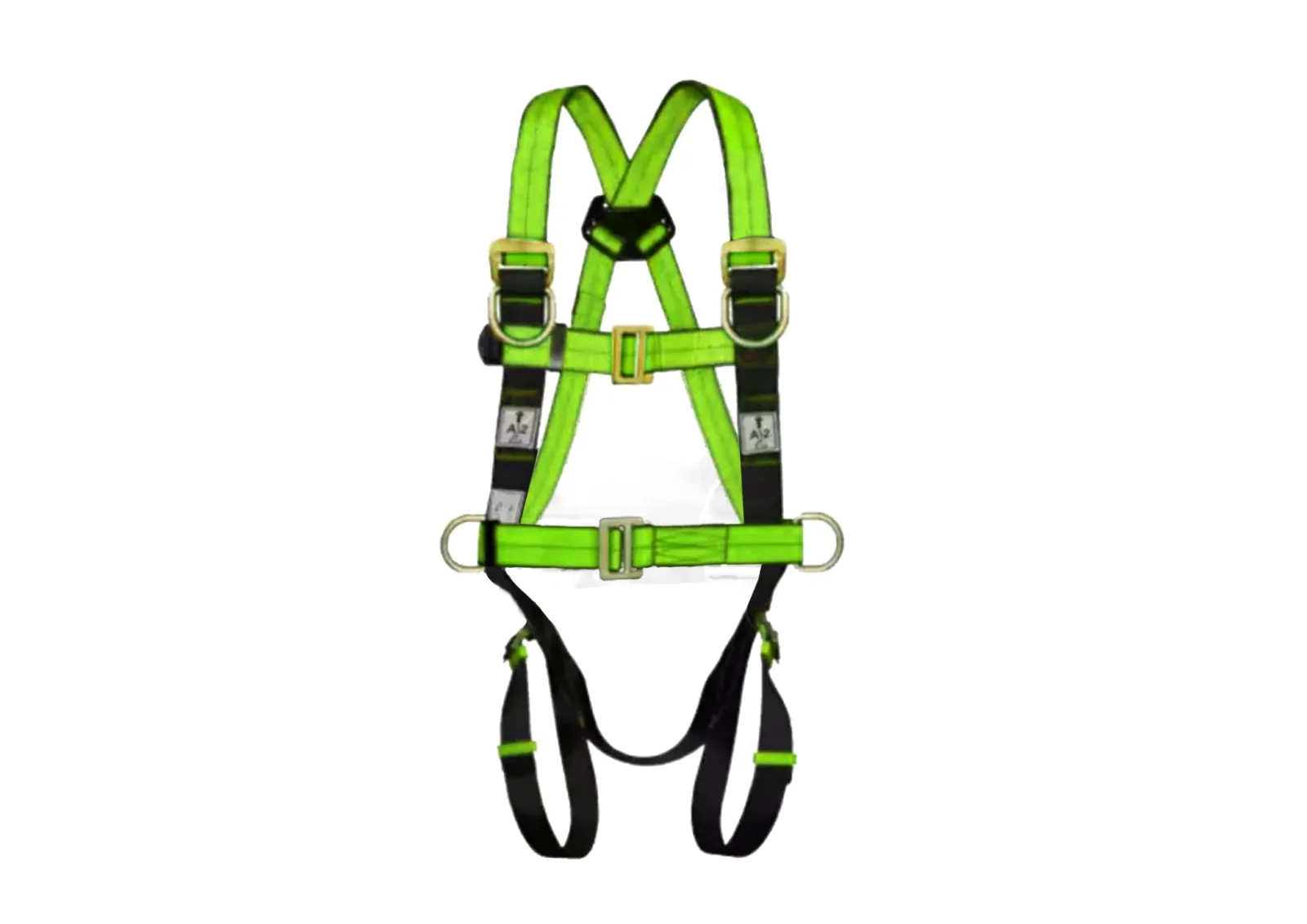
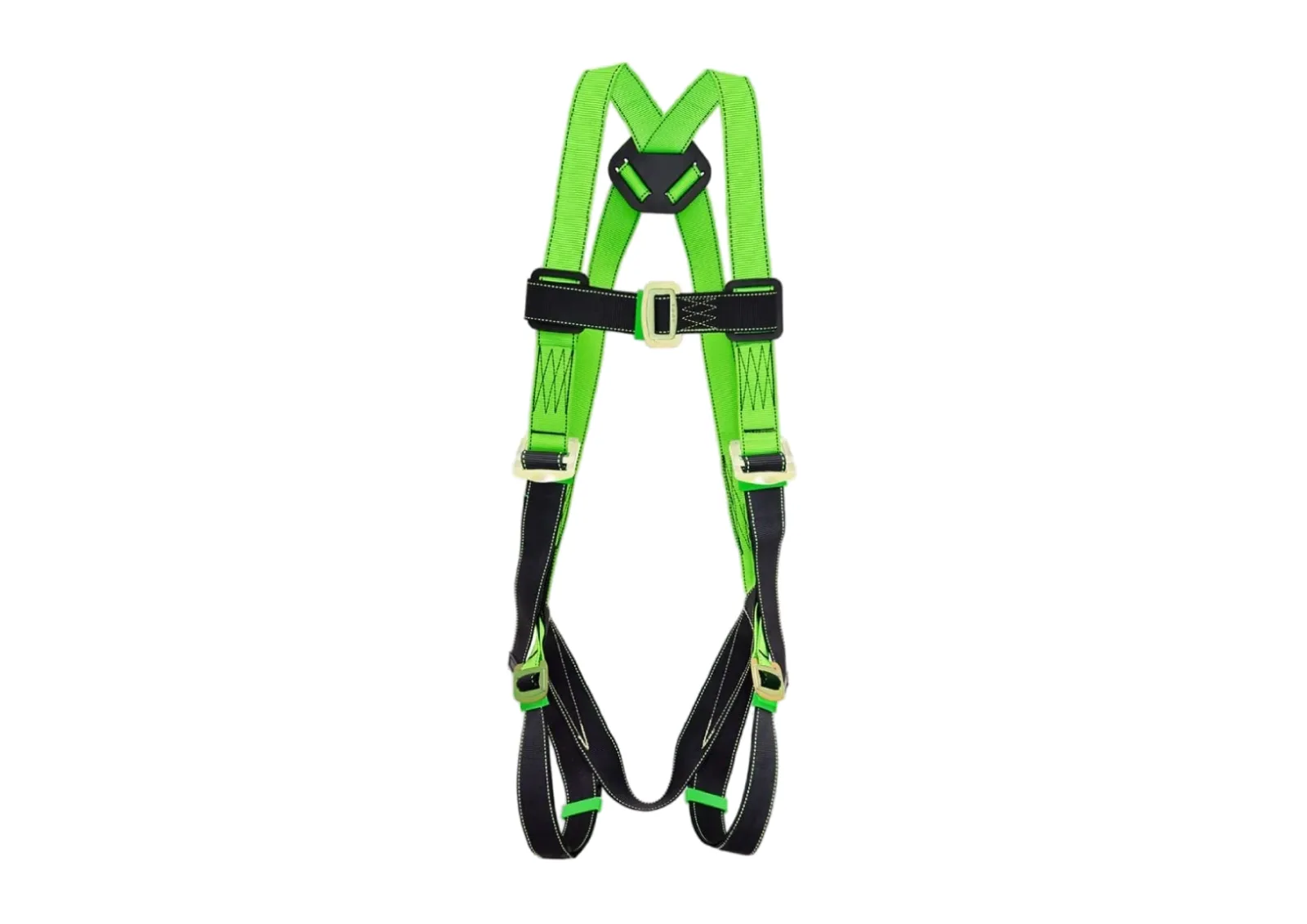
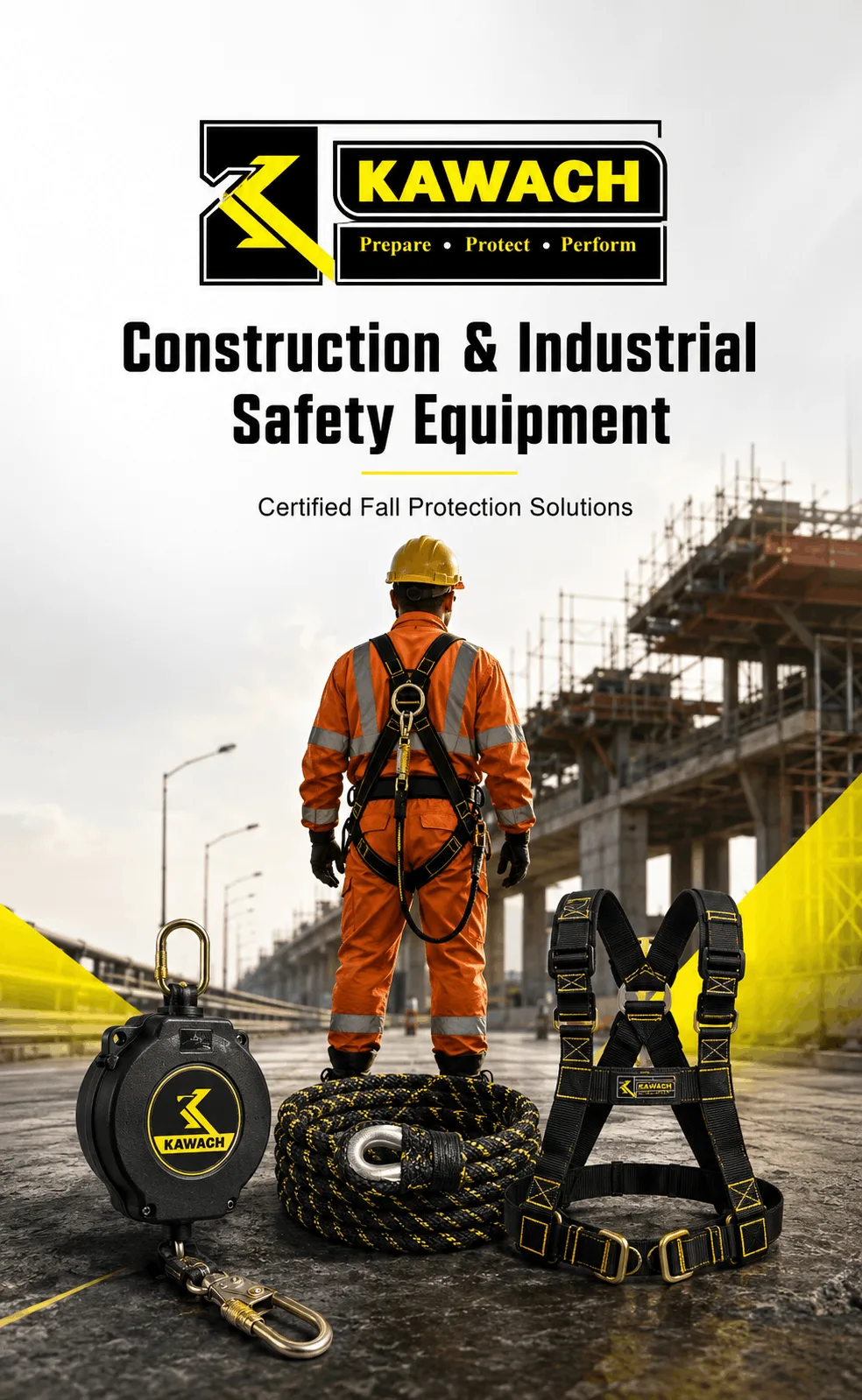
KAWACH also supports working-at-height requirements with fall protection equipment such as full-body harnesses, lifelines, retractable blocks and rescue kits.
KAWACH remains involved in material sourcing, production and final quality checks for consistent project supply.
Equipment is developed for demanding Indian conditions, with attention to durability, comfort and long working hours.
Support covers application, limitations, fitting, inspection and correct equipment use.
On-site demonstrations, practical training, bulk support and post-purchase assistance.
KAWACH provides workplace safety equipment for construction, infrastructure, manufacturing, warehousing, logistics, power, engineering and industrial applications across India. Our range includes safety footwear, reflective safety jackets, full-body harnesses, horizontal lifelines, anchorage lifelines, retractable fall arrest blocks, safety nets, rescue kits and related fall protection equipment.
Our approach goes beyond product supply. We help customers understand the application, product limitations, fitting, inspection and correct usage of safety equipment.
KAWACH operates a manufacturing facility in Bawana, Delhi and remains involved in material sourcing, production and final quality checks. The company states that its equipment is developed for demanding Indian working conditions, with attention to durability, comfort, grip and long working hours.
Customers choose KAWACH for:
Product standards and certifications may vary by model. Buyers should request the current technical data sheet, certificate, test report and user instructions for the exact product being purchased.
Request the current technical data sheet, certificate, test report and user instructions for the exact product model being purchased. A general certification claim should not replace model-specific verification.
Buyer note: Product standards and certifications may vary by model.

Share your work activity, hazard, quantity, sizes and workplace conditions with KAWACH. Our team can suggest suitable PPE, fall protection equipment and bulk supply options for your project.
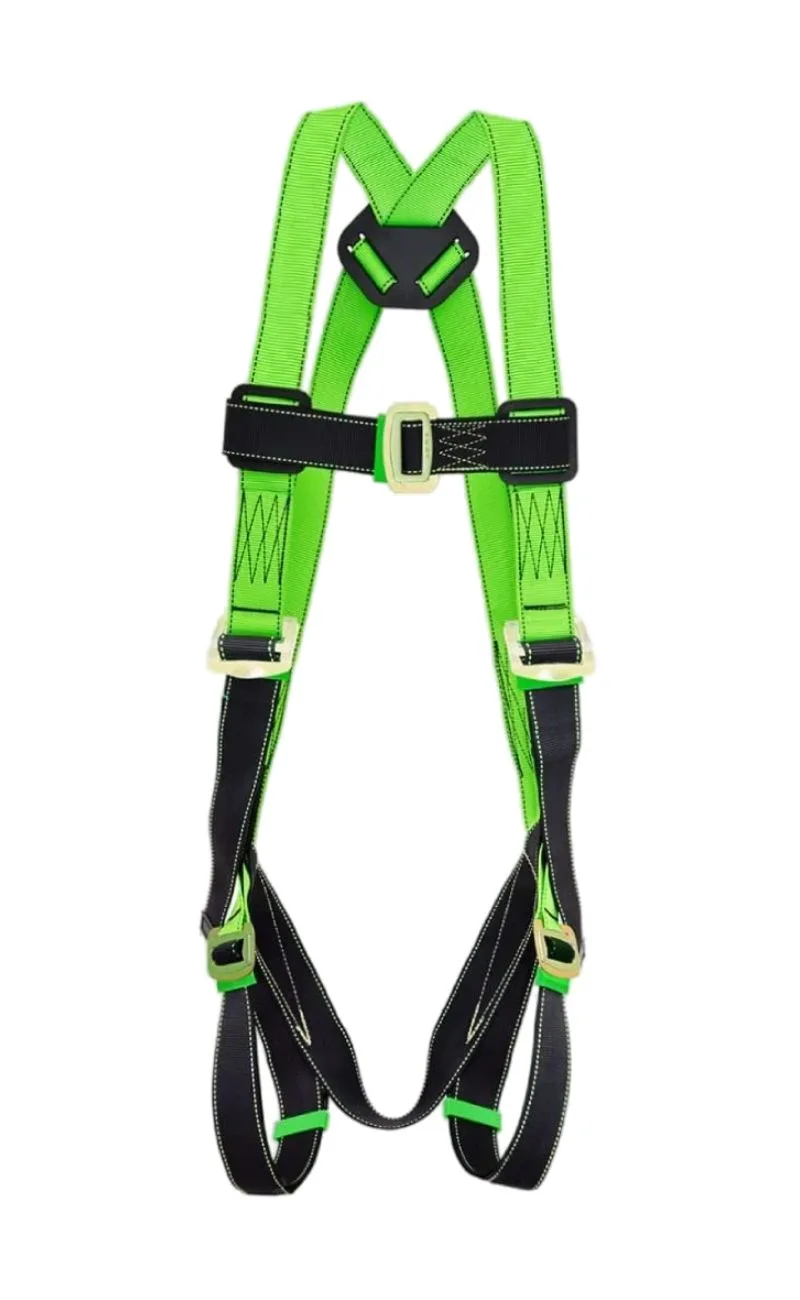
Secure fall-arrest harnesses designed for comfort, fit and dependable height-work protection.
Emergency rescue kits planned for recovery and controlled response after fall incidents.
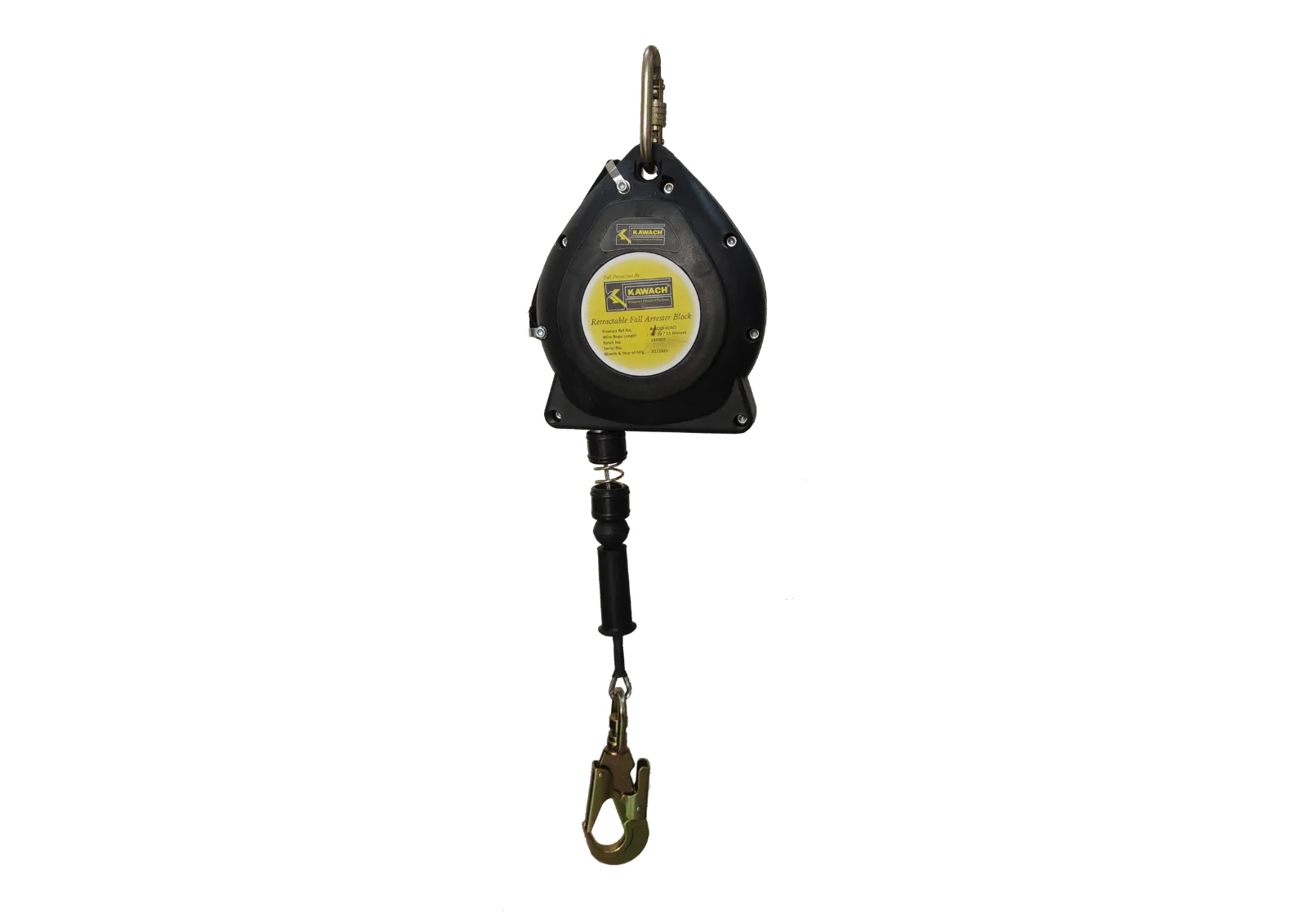
Self-retracting fall arrest blocks that support movement with rapid locking during a fall.
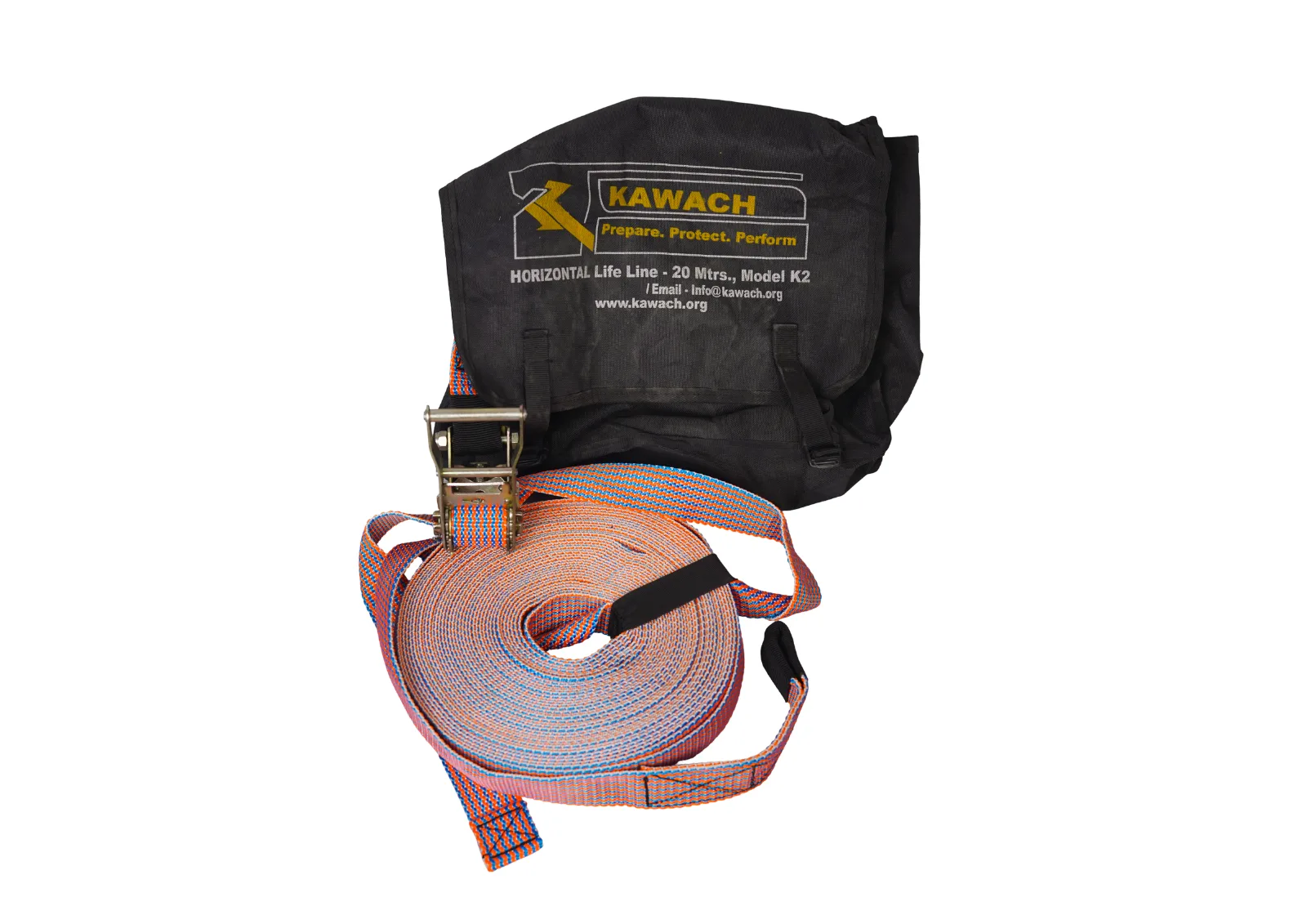
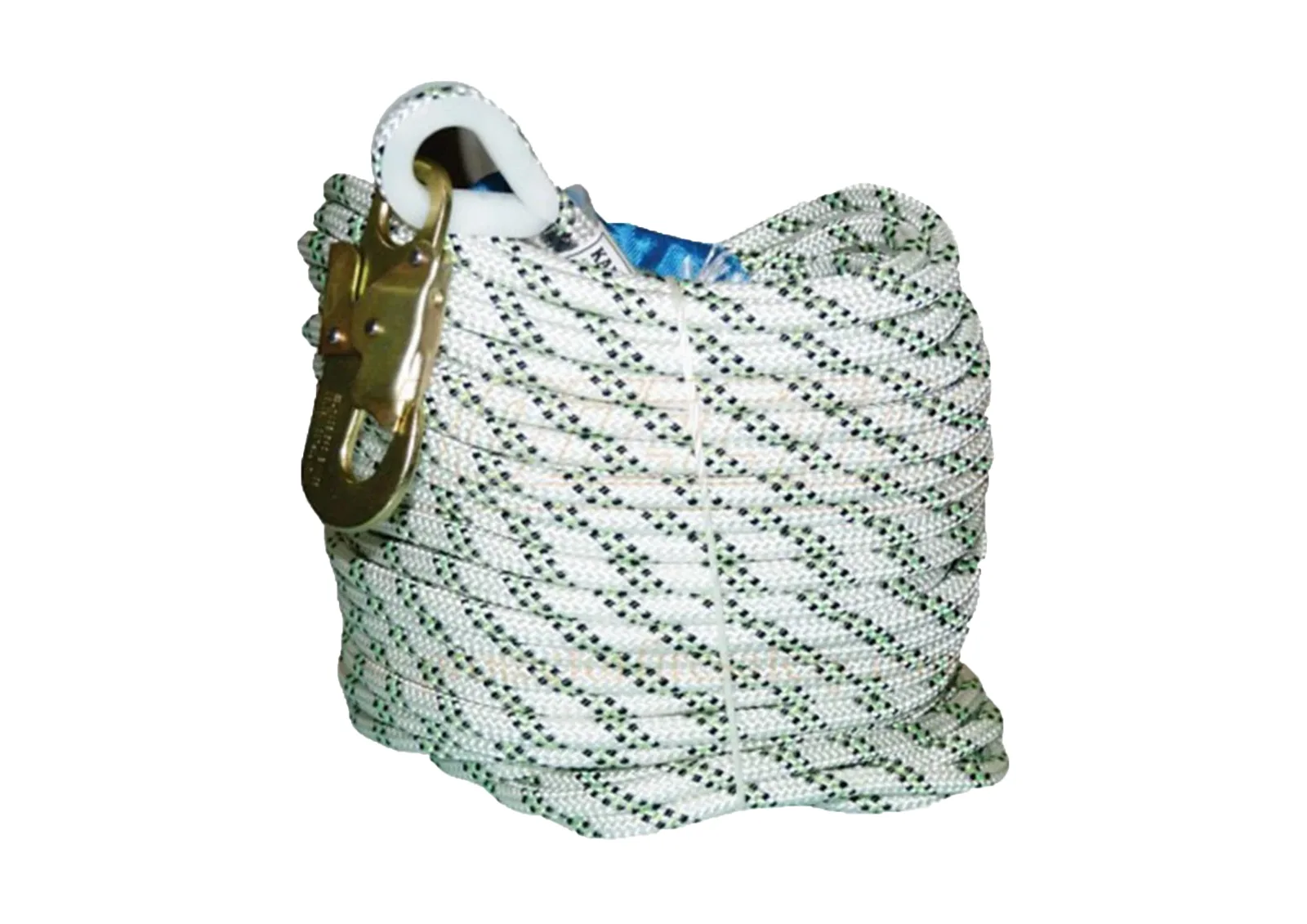
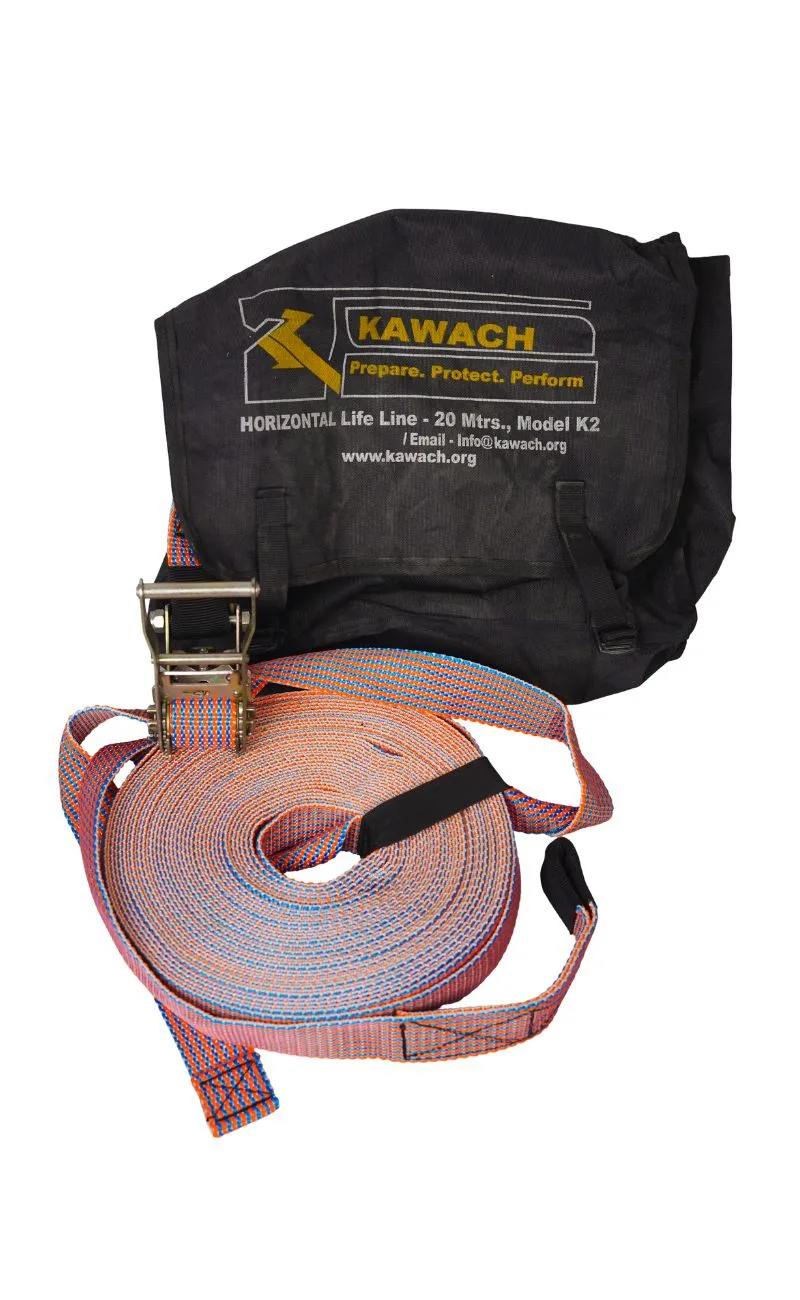
Flexible lifeline systems that allow movement along a work area while staying anchored.
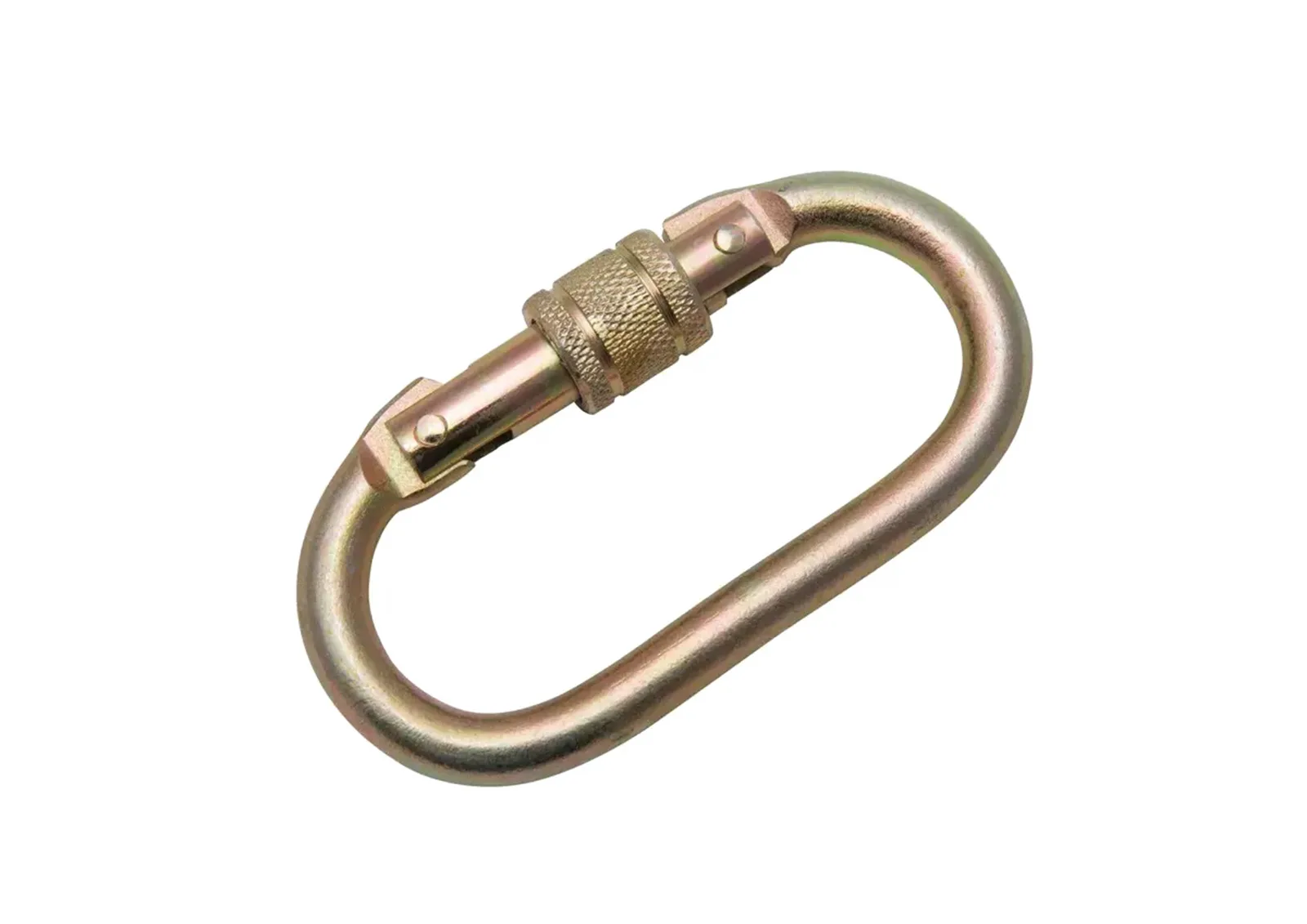
Anchorage components that help connect compatible fall protection systems securely.
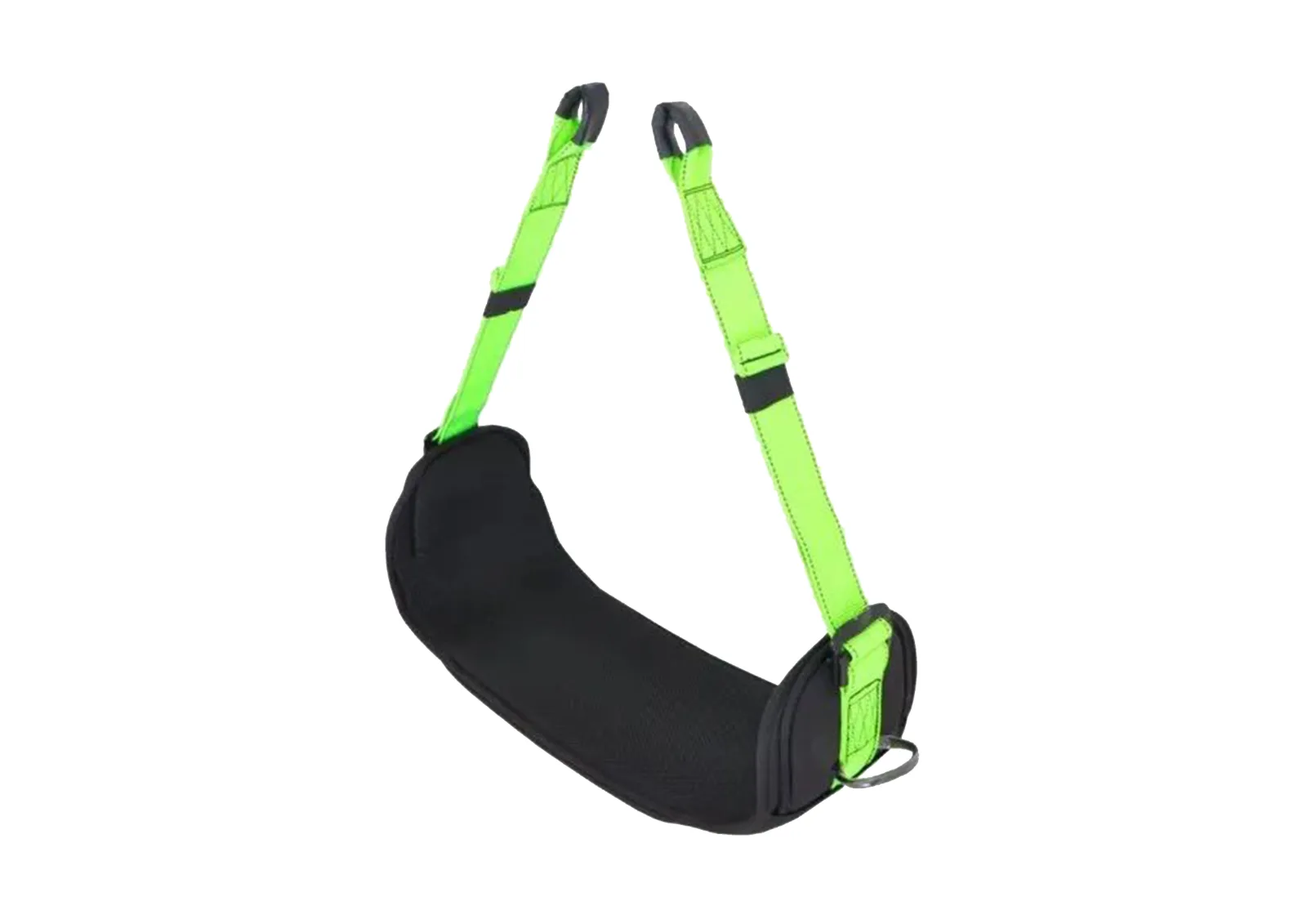
Seated support equipment for rope access, suspended maintenance and positioning tasks.
Construction safety equipment includes personal protective equipment and safety systems used to reduce workers’ exposure to hazards at building sites, infrastructure projects, civil engineering works, road projects, maintenance activities and demolition sites.
Construction environments change frequently. Workers may move between scaffolding, elevated platforms, excavation areas, fabrication zones, loading points, vehicle routes and unfinished structures during the same project.
Common construction safety equipment includes:
1. Safety helmets
2. Safety shoes
3. Reflective jackets
4. Protective gloves
5. Safety goggles
6. Face protection
7. Respiratory protection
8. Hearing protection
9. Full-body harnesses
10. Shock-absorbing lanyards
11. Lifeline systems
12. Anchorage points
13. Retractable fall arrest blocks
14. Safety nets
15. Rescue kits
16. Barricading equipment
Construction PPE should not be selected only on price. The equipment must suit the actual hazard, fit the worker correctly and remain compatible with other protective equipment.
The correct PPE helps create a protective barrier between the worker and an identified hazard. For example, industrial safety footwear may provide toe protection, slip resistance, penetration resistance or additional ankle support, depending on the product.
Providing suitable equipment shows that worker protection is a genuine business priority. A strong workplace safety culture should also include: Regular training, Clear operating procedures, Worker participation, Equipment inspection, Incident reporting, Proper storage, Timely replacement, Active supervision.
Workers are more likely to wear safety equipment consistently when it fits correctly and remains comfortable during long working hours. Equipment that is too heavy, poorly ventilated, difficult to adjust or unsuitable for the workplace may be removed or used incorrectly.
A workplace incident may cause injury, emergency response, investigations, medical expenses, equipment damage, lost work time and project delays. Suitable PPE, combined with training, inspection and supervision, supports safer and more stable operations.
Working at height is one of the most serious activities on construction and industrial sites. A full-body harness is important, but a harness alone does not create a complete fall protection system.
Industrial safety equipment refers to protective products and systems used in factories, production units, warehouses, workshops, power facilities, processing plants, engineering units and industrial maintenance environments.
Industrial hazards may include machinery, sharp components, falling materials, chemicals, electrical equipment, dust, noise, heat, slippery surfaces and vehicle movement.
Depending on the workplace, industrial safety equipment may include:
PPE should be part of a complete workplace safety system. Businesses should first try to remove, isolate or control hazards through safer processes, engineering controls, guarding and supervision. PPE provides an additional layer of protection when exposure cannot be fully eliminated.
Safety helmets help protect workers from falling objects, impact and contact with workplace structures.
Workers may spend many hours standing or walking on hard, wet, uneven or debris-covered surfaces. Suitable footwear should protect without unnecessarily restricting movement.
Reflective jackets improve worker visibility in low-light conditions and in areas with moving vehicles or machinery.
A full-body harness is used as part of a personal fall protection system. It must be correctly selected, adjusted and connected.
A lifeline enables a connected worker to move through a defined work area while maintaining fall protection.
A retractable fall arrest block allows the line to extend and retract as a worker moves. Its locking mechanism is designed to activate during sudden movement.
Safety nets may help provide collective fall protection or control falling materials, depending on their design.
Fall arrest and rescue planning must work together. A worker whose fall has been arrested may remain suspended and require controlled recovery.
Working at height needs more than a harness. Confirm anchorage, connectors, fall clearance, inspection requirements, training and rescue planning for the actual task before you buy.
Industrial PPE should be selected according to the identified exposure. One product should not be assumed to protect against every industrial hazard.
Grinding, cutting, drilling, chemical handling and fabrication may expose workers to flying particles, sparks, or liquid splashes.
One glove cannot protect against every hazard.
Dust, fumes, gases and vapours may require respiratory protection.
Selection should consider:
Factories, fabrication areas and heavy equipment zones may expose workers to hazardous noise.
Earplugs or earmuffs should provide suitable protection while allowing workers to communicate and complete their duties safely.
Safety equipment should be selected through a hazard-based process rather than a generic kit or price-only decision. Use the five checks below before purchasing or approving a bulk order.
KAWACH’s workplace safety journey began in 2011 and the brand was formally launched in 2013. It now combines manufacturing with on-site guidance, product training and after-sales support.
KAWACH’s Bawana facility allows the team to remain involved in sourcing, production and final checks. This helps maintain consistency and supports bulk requirements.
Products are developed with real worksite factors in mind, including heat, dust, moisture, rough surfaces and long working shifts.
The KAWACH team studies work conditions and potential hazards before recommending equipment for specific activities.
KAWACH provides usage guidance and practical training covering PPE use, fall hazards, work-at-height precautions, inspections and height rescue demonstrations.
Construction safety equipment is commonly used for building, infrastructure and civil works. Industrial safety equipment is used in factories, warehouses, processing units and manufacturing environments. Many products may be used in both sectors, but selection depends on the specific hazard.
Common PPE includes safety helmets, safety footwear, reflective jackets, gloves and eye protection. Work at height, welding, electrical work and chemical handling may require additional equipment.
No. PPE requirements depend on the task, hazard, environment, worker size and exposure duration.
Check the model-specific technical data, applicable standard, certificate number, testing details, manufacturing information and inspection instructions.
Workers should visually inspect equipment before use. Formal inspection frequency depends on the product, workplace conditions and manufacturer’s guidance.
Replace equipment when it fails inspection, reaches the end of its service life, suffers an impact or fall, becomes contaminated or shows significant wear.
Yes. KAWACH provides practical guidance and training for the correct use, inspection and understanding of workplace safety equipment.
KAWACH supports construction, infrastructure and industrial requirements across India. Delivery schedules depend on product type, quantity and location.
Share the work activity, workplace conditions, hazards, worker requirements, quantity and timeline with KAWACH. We can help with product recommendations, fall protection guidance, bulk quotations, training and project-based supply support.
Safety equipment should match the hazard, worker, environment and complete protection system.
WhatsApp us