Home › Safety Workwear
Safety workwear is more than a uniform. On construction sites, roads, warehouses, factories and logistics yards, the right clothing helps workers remain visible, identifiable and comfortable while performing demanding tasks. It supports safer movement around vehicles and equipment, reinforces site discipline and helps companies present a consistent, professional safety culture.
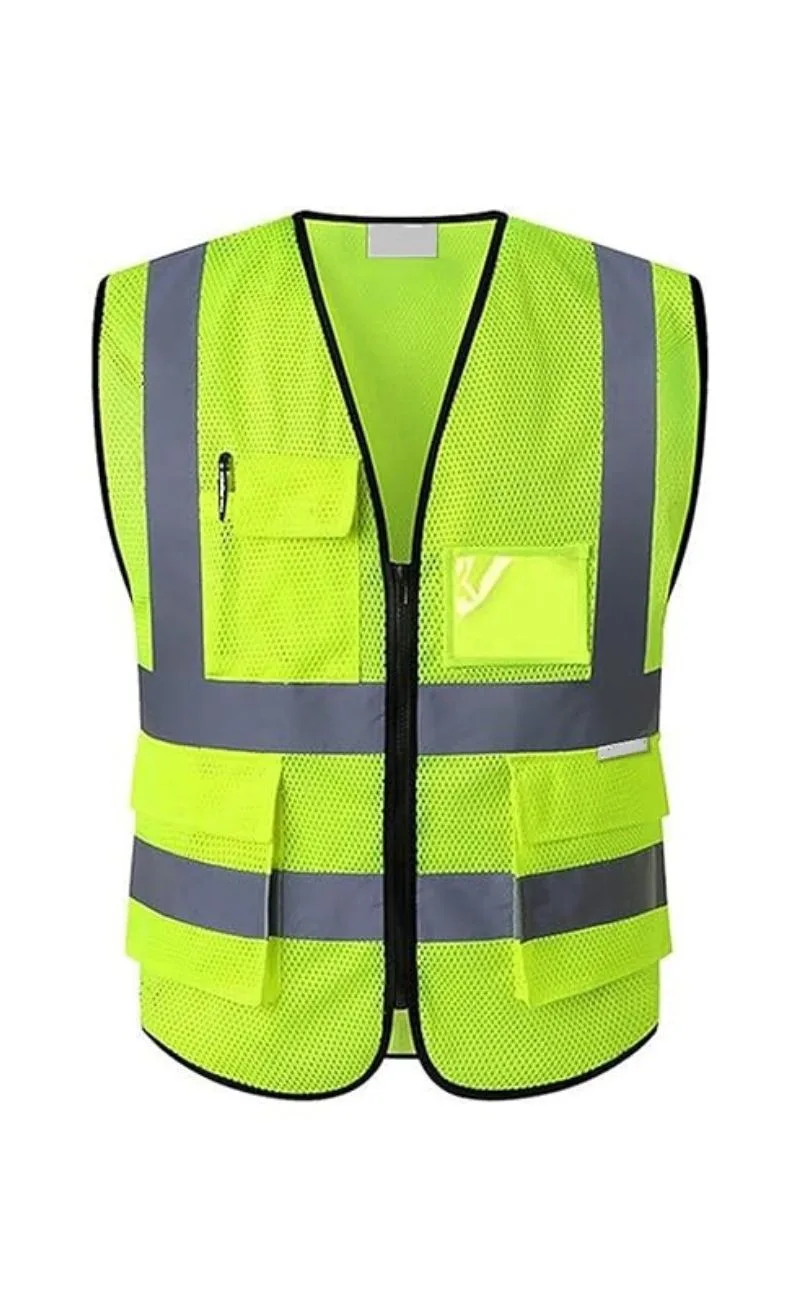
Fluorescent and reflective configurations for changing worksite conditions.
Lightweight polyester and 120 GSM options across the workwear range.
Logo placement available on selected products for project identification.
Choose based on hazard, task, climate, visibility and project requirements.
Kawach Safety provides industrial safety workwear and high-visibility reflective jackets for construction companies, contractors, manufacturing plants, warehouses, infrastructure projects, facility management teams, and other organisations across India. The available reflective jacket range includes lightweight polyester options, 120 GSM jackets, zipper and buckle closures, reflective cross-belt designs, front pockets, multiple fluorescent colours, and custom logo options on selected products.
Every workplace is different. A lightweight visitor vest used inside a warehouse does not have the same operational requirement as a jacket worn by a road worker beside moving traffic at night. Buyers should therefore choose safety workwear after reviewing the actual hazard, lighting, weather, traffic movement, duration of use and applicable client or project specification.
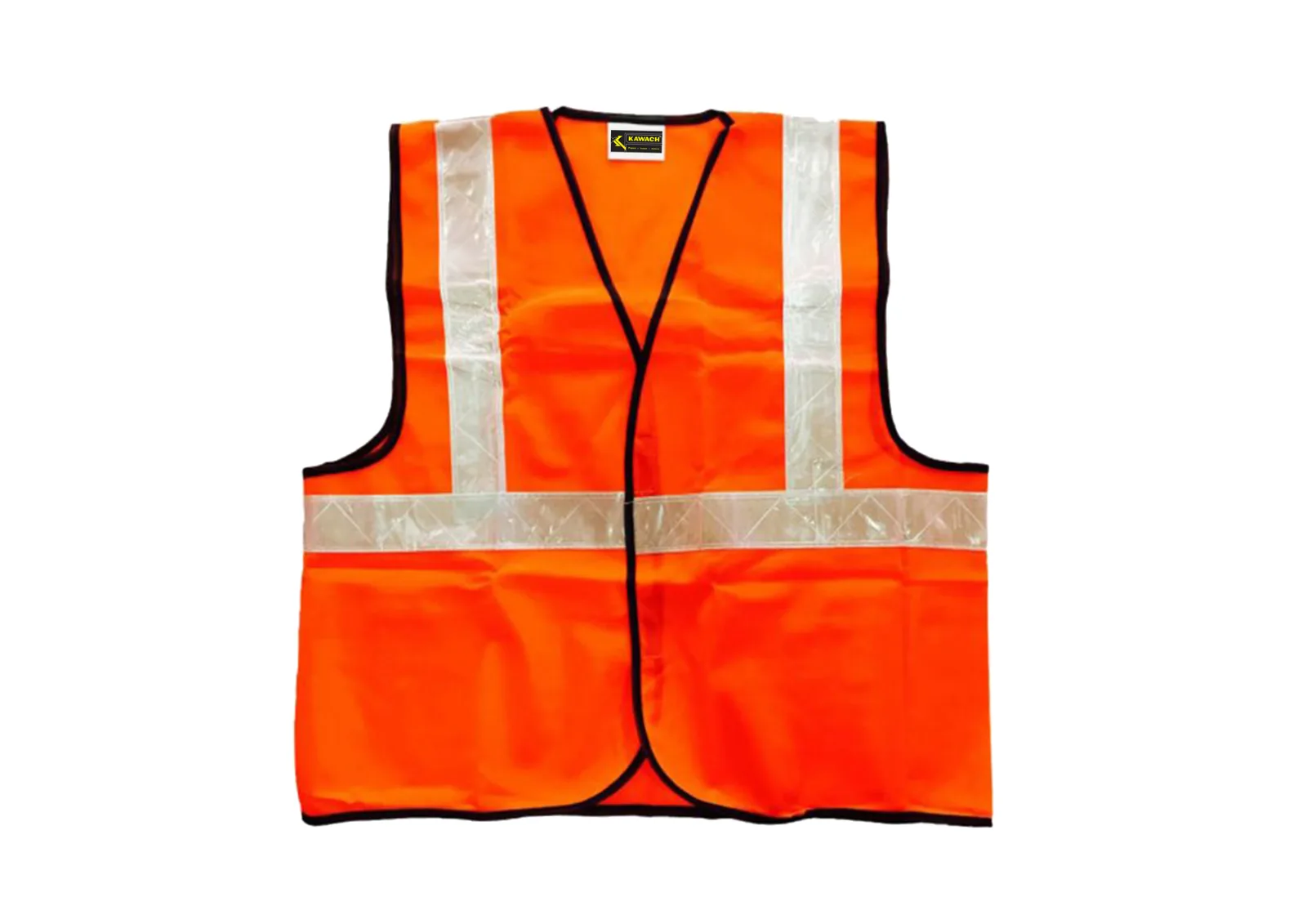
Safety workwear is occupational clothing selected to support worker visibility, identification, comfort and protection in a defined work environment. The category can include high-visibility vests, reflective jackets, industrial uniforms, coveralls, rainwear, jackets and specialised protective garments.
The term should not be used as a blanket promise of protection. A reflective jacket is mainly intended to improve conspicuity or visibility. Unless a garment is specifically designed, tested and documented for another hazard, it should not be treated as protection against flame, chemicals, electric arc, impact, falls, cuts or respiratory exposure. Those risks may require separate PPE such as helmets, gloves, safety shoes, eye protection, hearing protection, respirators or fall-protection equipment.
Procurement reminder: Request documentation for the exact model and required standard.

Busy worksites often place people close to forklifts, cranes, excavators, trucks, loaders or other moving machinery. Workers may be partly hidden by materials, vehicles, dust, rain, poor lighting or changing backgrounds. Early-morning, evening, and night shifts can make recognition even more difficult.
High-visibility workwear helps create a stronger contrast between the wearer and the surroundings. Fluorescent background material supports daytime recognition, while retroreflective tape returns light towards its source and can improve recognition when illuminated by vehicle headlights or work lights.
Safety workwear also supports identification. Different colours, logos, role labels or ID pockets can help distinguish employees, visitors, supervisors and contractors, improving communication and access control.
Construction workers frequently share space with moving vehicles and machinery. Reflective workwear helps operators and drivers notice a person more easily against equipment, concrete, soil, scaffolding and stored materials. Visibility is particularly important at entry gates, loading zones, road edges, plant movement areas and reversing zones.
Retroreflective material becomes more noticeable when light reaches it. This can help workers remain visible during night work, tunnel maintenance, roadside projects, emergency repairs and early-morning shifts. The reflective sections must remain clean, uncovered and positioned so the worker can be recognised from relevant approach directions.
Customised jackets can carry a company logo, project name, department or worker role. This creates a consistent appearance and may help teams identify authorised personnel. Colour coding can also support site rules, but the selected colours must still provide suitable contrast for the working environment.
A garment that is too hot, too tight, too heavy or badly fitted is less likely to be worn correctly. Appropriate fabric weight, ventilation, closure and sizing can improve long-shift comfort. Lightweight net-finished polyester designs may suit hot conditions or short-duration use, while a structured 120 GSM jacket may be preferred for repeated site use, depending on the task.
Consistent PPE reinforces site rules, supports inductions and visitor management, and presents an organised workforce. Branded workwear can also reduce confusion on multi-contractor projects.
Safety workwear and reflective jackets are commonly used in construction and civil engineering, roadwork and traffic management, manufacturing plants, warehouses, loading bays, logistics yards, railway and metro maintenance, airports, mining and quarrying, utilities, telecommunications, parking management, security operations, emergency response, surveying and field-service work.
The correct garment depends on the job. Warehouse workers may prioritise breathability, road workers may need a verified high-visibility class, and security or supervisory teams may need ID holders or pockets.
Fluorescent material and retroreflective tape perform different functions. Fluorescent colours create strong contrast in daylight and certain low-light conditions. Retroreflective material sends light back towards the source, making it valuable when a person is illuminated by headlights or directed work lighting.
Fluorescent colours create strong contrast in daylight and certain low-light conditions.
Retroreflective material sends light back towards the source, making it valuable under headlights or directed work lighting.
Evaluate the complete garment, including visible material area, tape placement, fit, closure and condition. Logos, overloaded pockets or bags should not cover critical visible areas.
Where a tender, client or risk assessment requires a particular high-visibility standard, buyers should request documentation for the exact model being supplied. Relevant specifications may include Indian Standard IS 15809 for high-visibility warning clothes or ISO 20471 for high-visibility clothing. Do not assume that a general company certificate automatically applies to every product. Confirm the model, standard, test report, certification scope and validity before procurement.
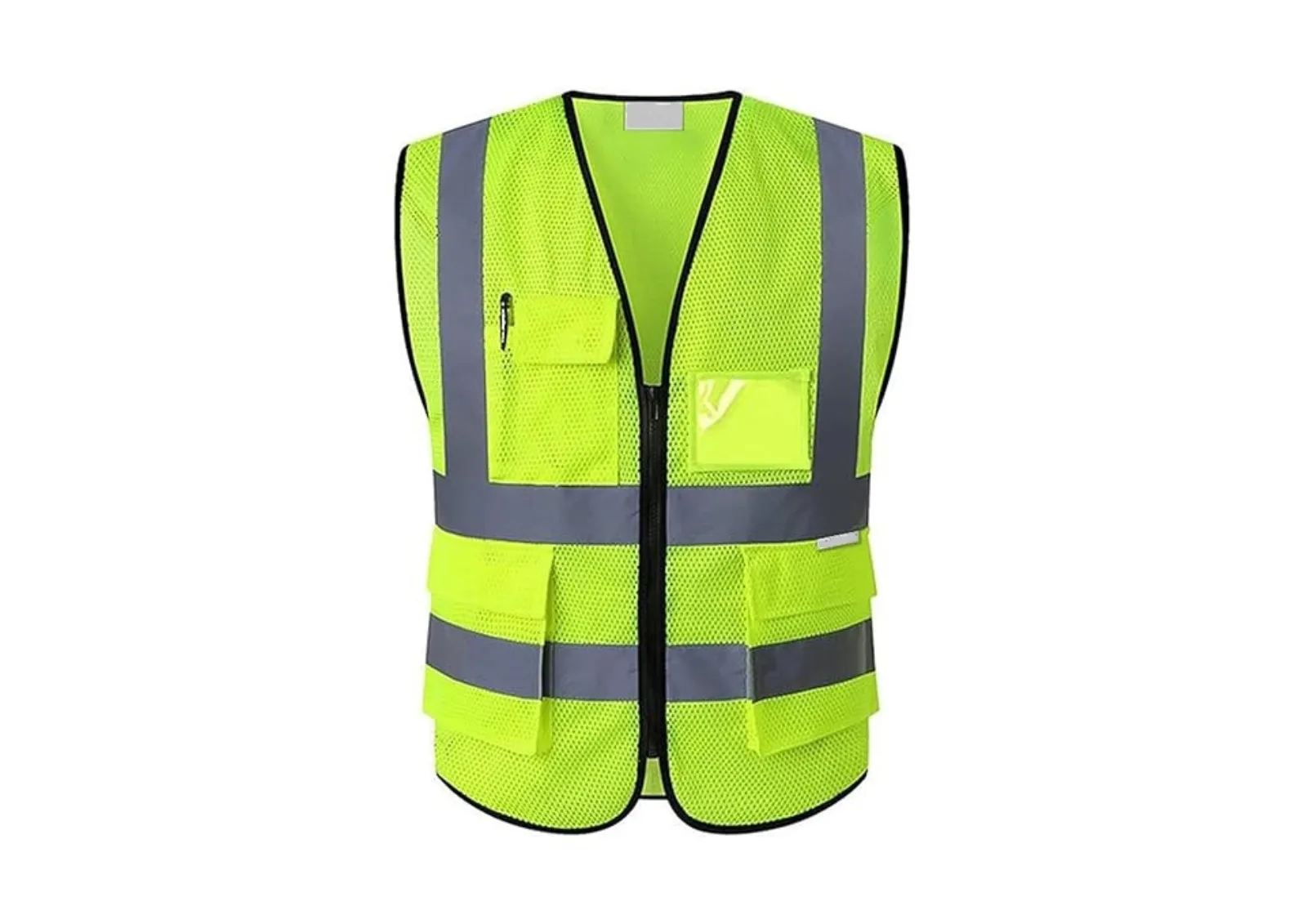
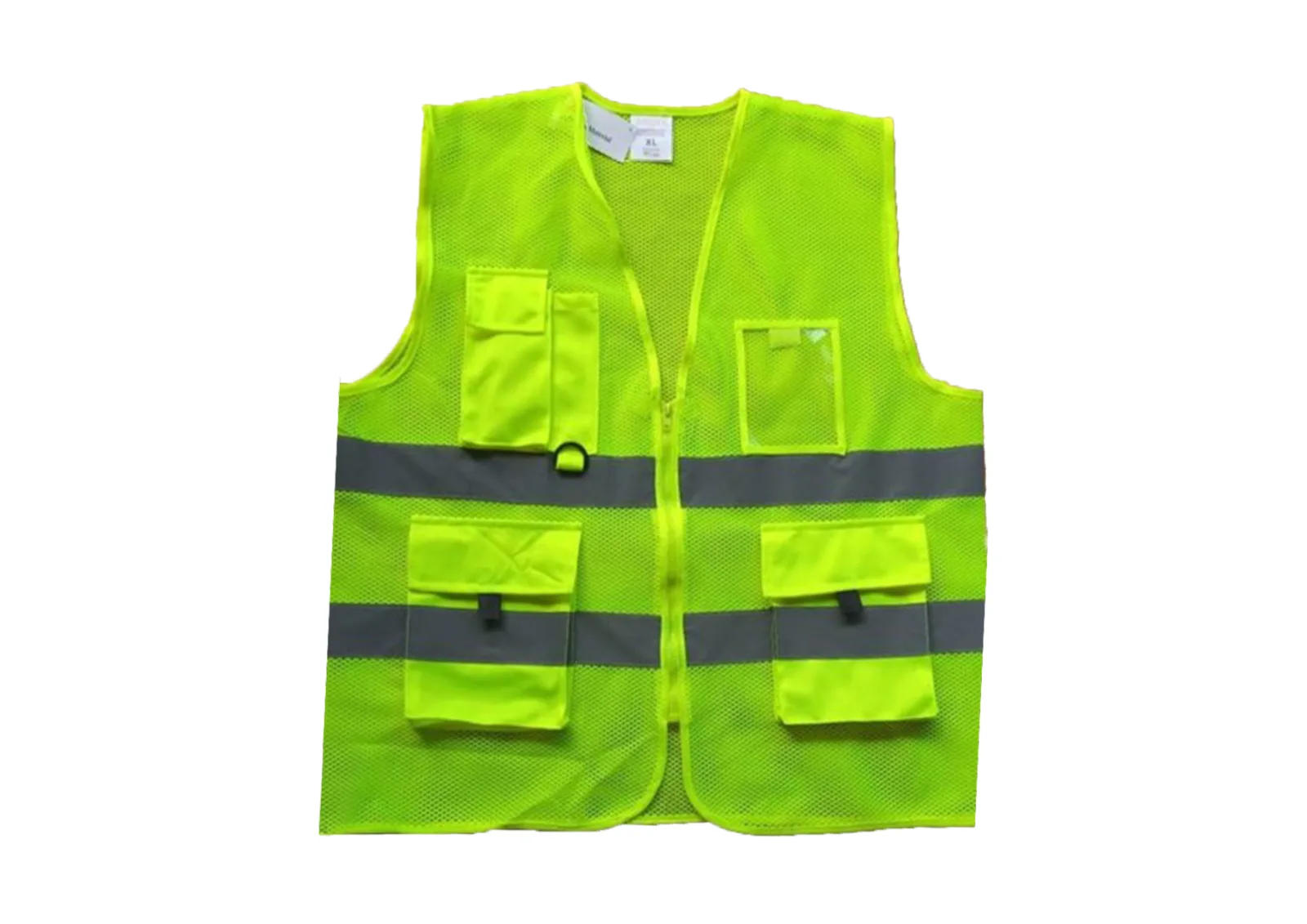
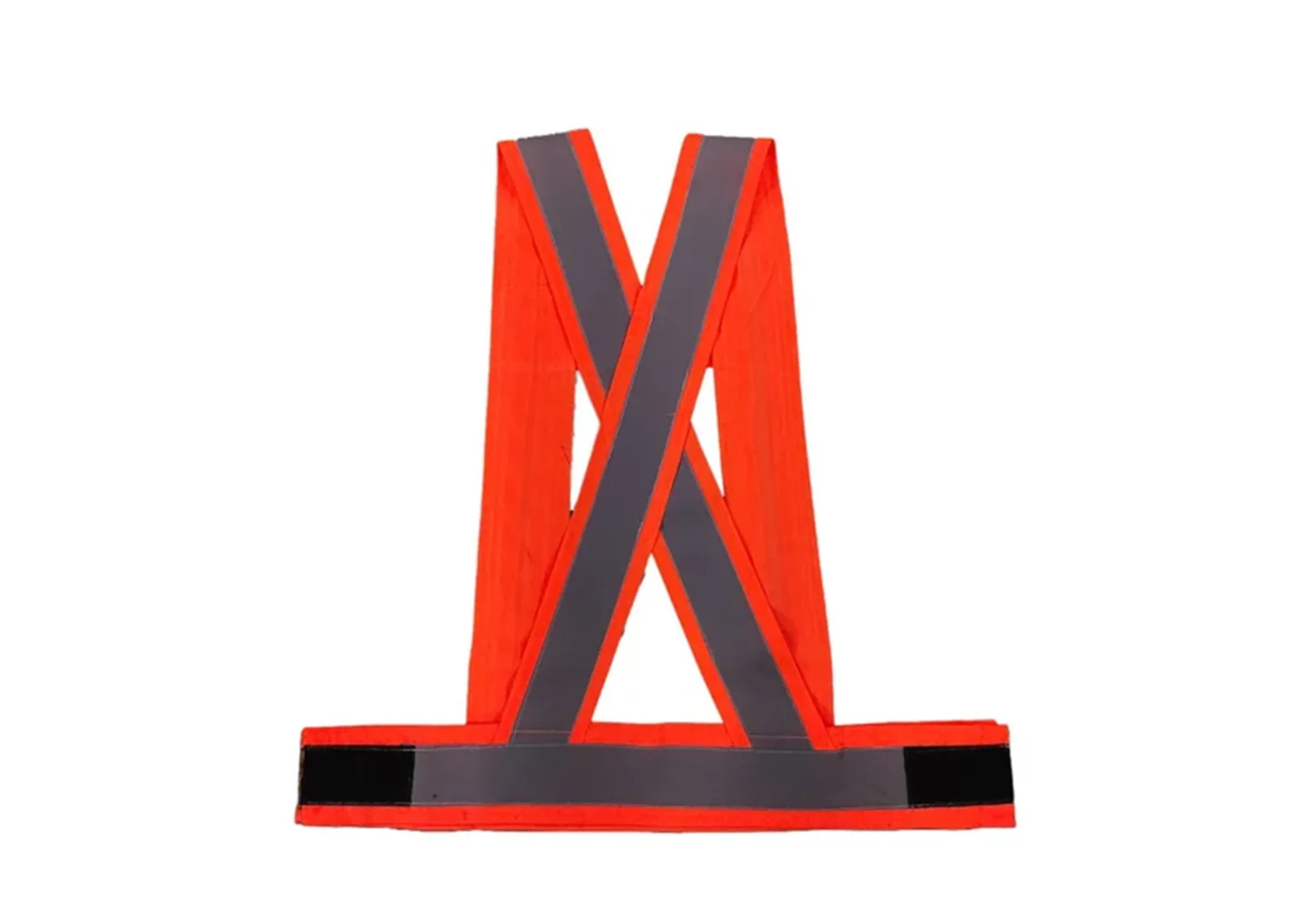
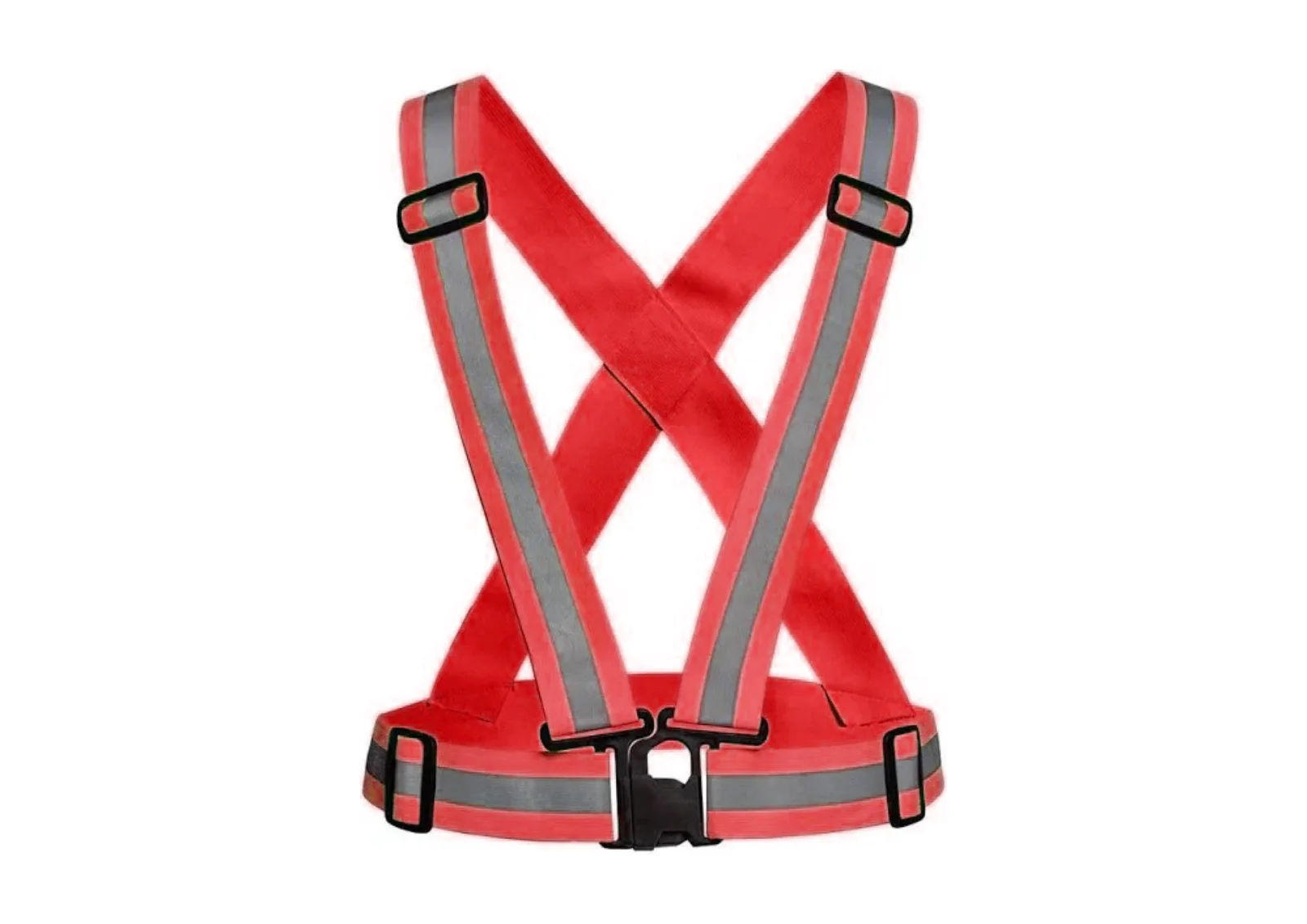
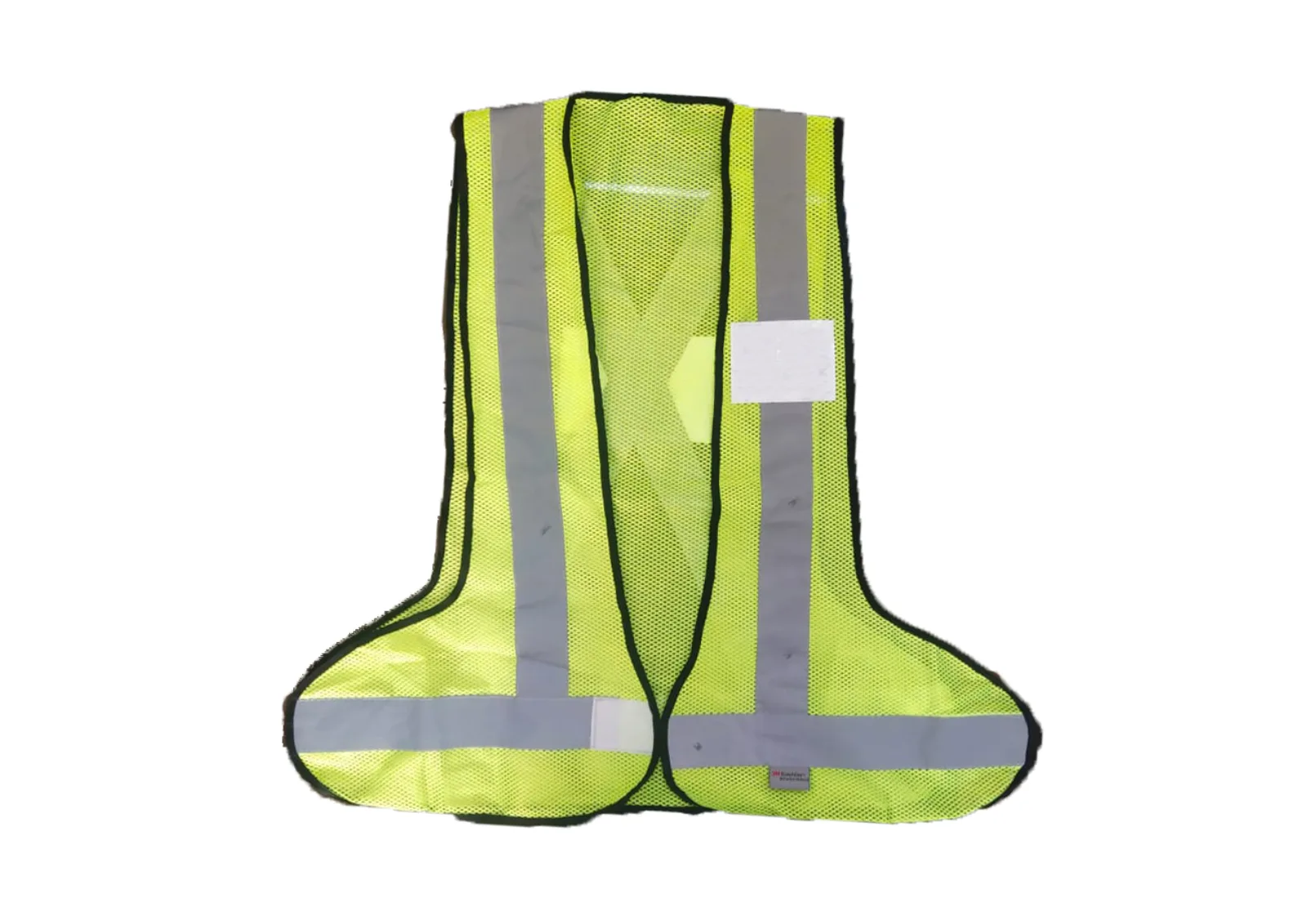
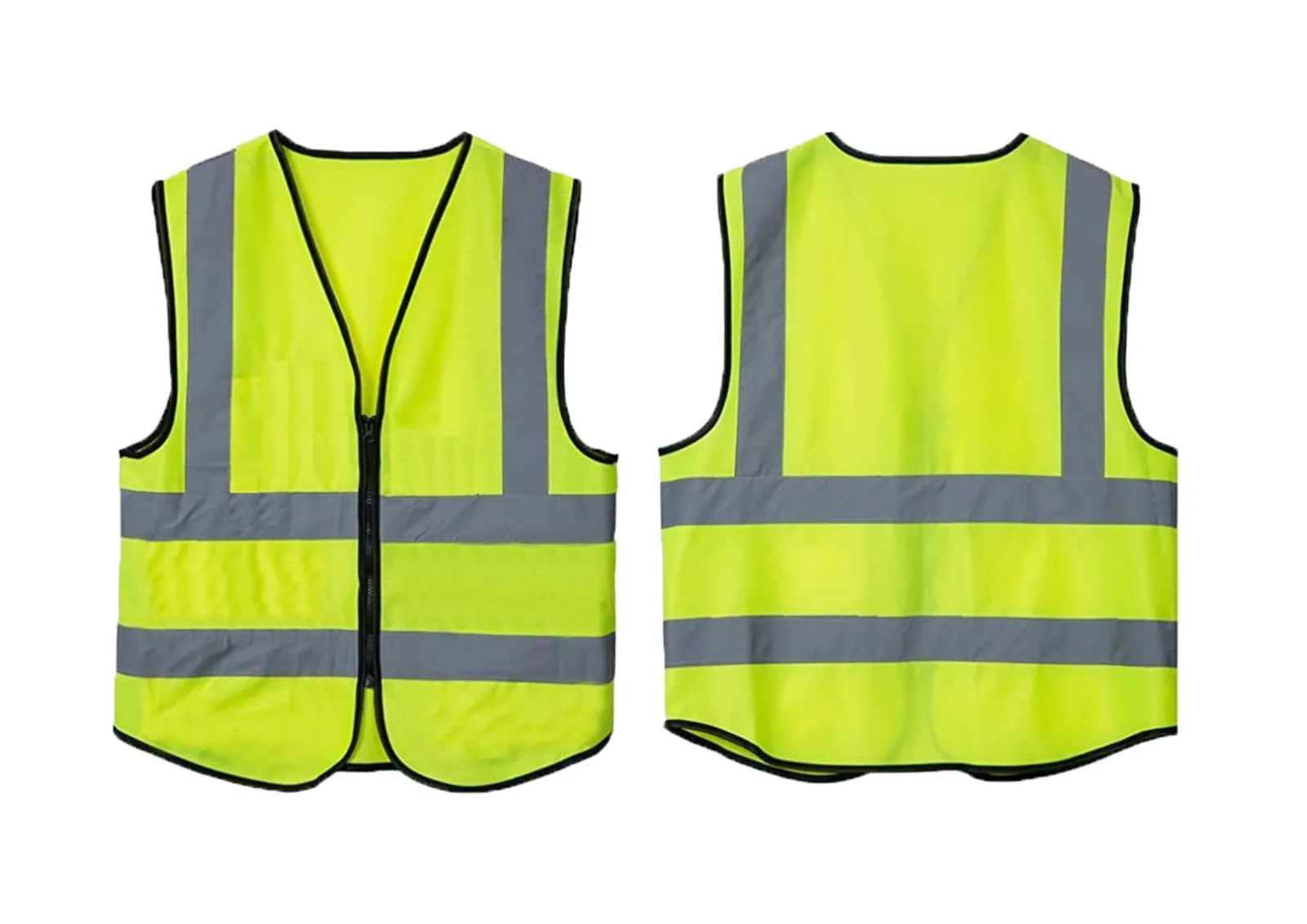
Kawach Safety’s published reflective-jacket range provides several practical configurations. Selected products include lightweight polyester jackets and 120 GSM polyester options, fluorescent green, orange, blue and yellow colours, zipper or buckle closures, reflective cross-belt designs, net finishing, two-inch reflective tape, front pockets and custom logo placement.
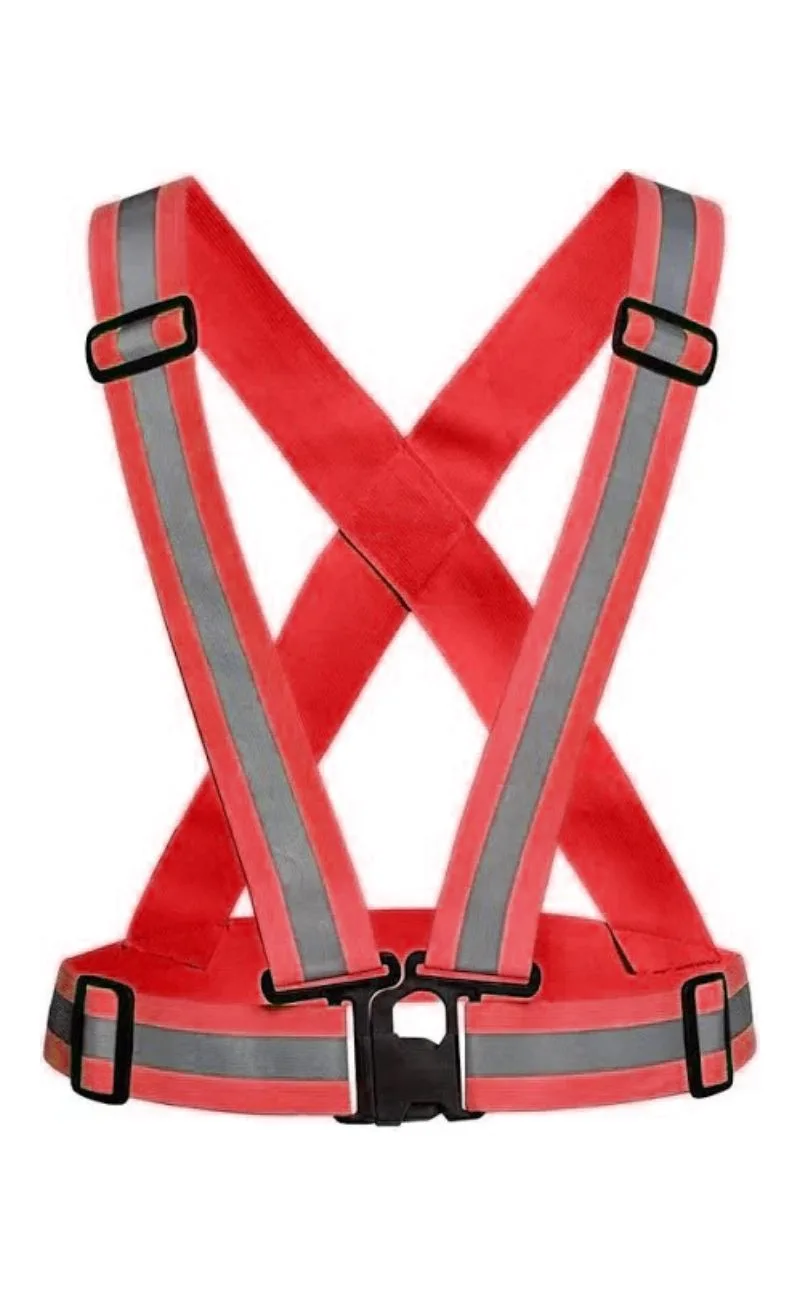
For example, the KRJ-004 is presented as an adjustable reflective cross-belt design with shoulder and waist adjustment, two-inch reflective tape, net finishing on polyester fabric and optional rear logo customisation. The KRJ-007 is listed as a one-sided-closing 120 GSM zipper jacket with two-inch reflective tape, polyester net finishing, two front pockets and sizes from S to XXL.
Before ordering, request the latest specification sheet, size chart, colour availability, care instructions and applicable compliance documents.
Identify the hazard before selecting a garment. Consider vehicle speed, traffic density, equipment movement, visibility distance, lighting, background colour, weather, work duration and whether the task takes place indoors, outdoors or at night.
Review tender documents, client requirements and site rules. If a specified standard or garment class is required, obtain evidence for the exact product. Keep the documents with your procurement and PPE records.
Review tape width, continuity, position, attachment and visibility from the front, back and sides. Pockets, branding, tools or other clothing should not easily hide tape. Inspect whether the tape remains securely attached after normal movement and approved cleaning.
GSM describes fabric weight, not overall safety performance. Lightweight garments may provide better airflow, while heavier fabric may offer more structure. Consider climate, shift length, washing frequency, abrasion exposure and how often the garment will be issued.
The garment should fit over normal work clothing without becoming loose enough to snag or tight enough to restrict movement. Workers should be able to bend, climb, reach and operate equipment comfortably. Order a realistic mix of sizes rather than issuing a single standard size to everyone.
Zippers provide a secure, neat closure. Velcro can be quick to use. Adjustable buckle or cross-belt designs can suit visitors and changing layers. The closure should remain functional and should not interfere with harnesses, tool belts or other PPE.
Pockets are useful for supervisors, security personnel and maintenance teams, but they should not be overloaded. Transparent ID pockets can support access control. Confirm that added features do not cover reflective or fluorescent areas required by the product design.
Custom logos can improve identification, but logo size and position should be chosen without blocking critical visibility material. Confirm artwork format, printing method, minimum order quantity, sample approval, colour matching and repeat-order consistency.
A strong procurement process should go beyond asking for the lowest price. Request a written product specification and compare the supplied sample with the final order. Check material, GSM where stated, size, colour, tape width, closure, pockets, stitching, branding and packaging.
For compliance-sensitive orders, request product-specific test or certification evidence and confirm which standard, model and manufacturing scope it covers. Record the supplier’s batch or invoice information so future replacement orders can be matched.
For large projects, approve a pre-production sample and conduct an incoming inspection. Randomly check sizes, closures, reflective tape, logos and finishing, and keep inspection records.
Kawach Safety describes itself as an Indian safety equipment manufacturer with a manufacturing unit in Bawana, Delhi. According to the company’s published information, it remains involved in material sourcing, production and final checks, with products developed for the heat, long hours and demanding conditions found on Indian worksites.
The reflective-workwear range gives buyers multiple design choices rather than a single generic vest. Available configurations include adjustable cross belts, zipper jackets, lightweight designs, 120 GSM options, front pockets, multiple fluorescent colours and logo customisation on selected models.
Kawach also publishes information about its Training Cell, which provides practical guidance on product use and safety training for qualifying clients. This broader support can be valuable when buyers need help communicating the correct use and inspection requirements to workers and supervisors.
The company lists certification and accreditation information online. Buyers should still request documents relevant to the exact model. For bulk and PAN-India requirements, share the intended use, quantity, sizes, colour, features, branding, delivery location, timeline, and required standard.
Bawana, Delhi manufacturing with close involvement in sourcing, production and final checks.
Practical product-use guidance and safety training support for qualifying clients.
Confirm documentation relevant to the exact model and project requirement.
Share quantity, sizes, colour, branding, location, timeline and required standard.
Safety workwear is occupational clothing selected to support visibility, identification, comfort or protection in a defined workplace. It includes reflective jackets, high-visibility vests, industrial uniforms, coveralls and specialised protective garments.
Choose safety workwear based on the work, not only on price. Share your hazard, application, quantity, sizes, preferred design and compliance requirement with Kawach Safety to receive a suitable recommendation and quotation.
Browse the reflective-jacket range or contact Kawach Safety for bulk orders, customised branding and PAN India supply support.
WhatsApp us