Advanced fall protection systems engineered to safeguard workers at height, ensuring maximum safety, compliance, and confidence on every job.
Working at height demands more than a safety harness. Workers need correctly selected fall protection equipment, a suitable anchorage arrangement, compatible connecting components, proper training and a practical rescue plan.
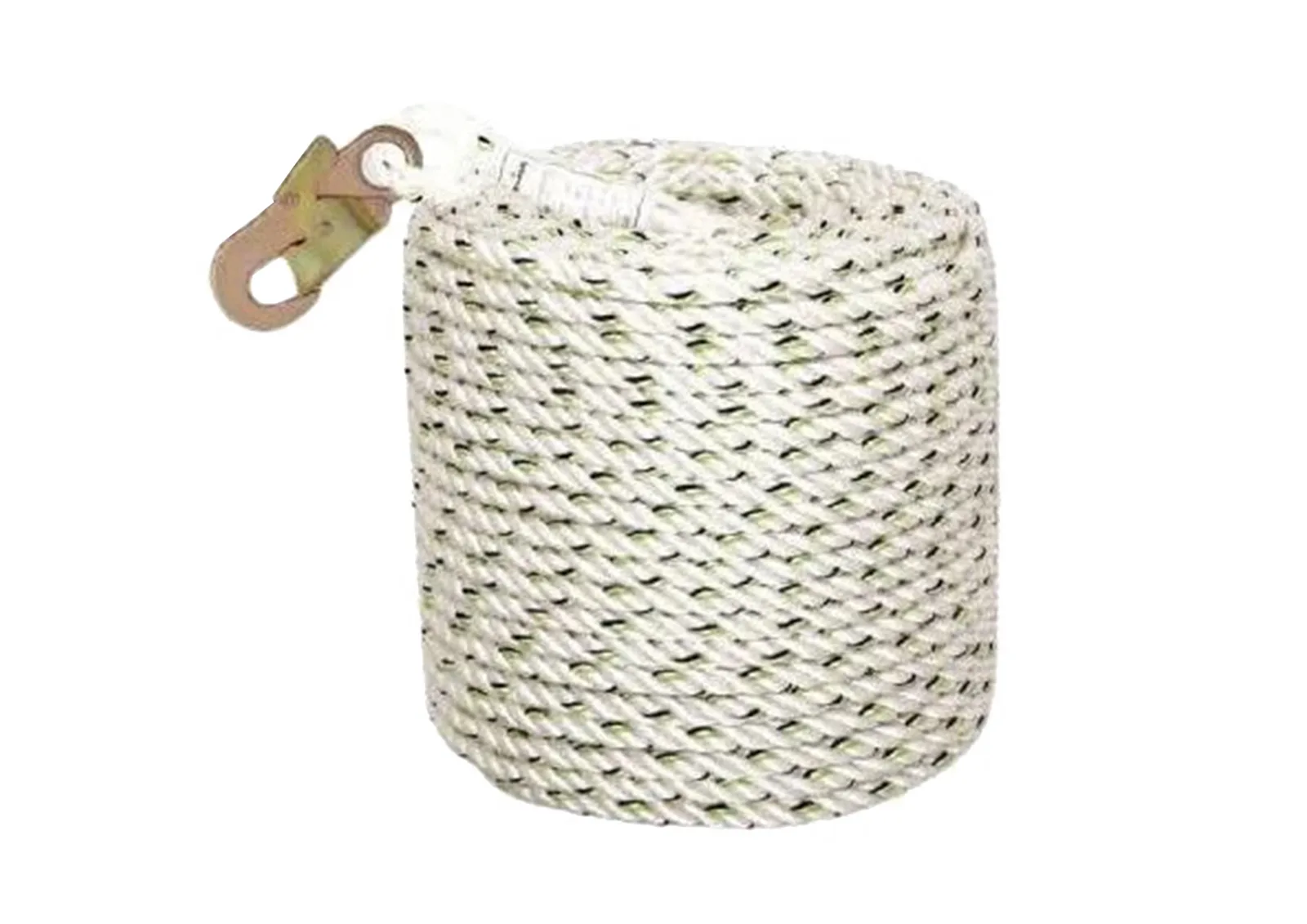
Kawach Safety manufactures and supplies fall protection equipment for construction, industrial maintenance, infrastructure, warehousing, telecom, utilities and other working-at-height applications across India. Our product range includes full-body harnesses, horizontal lifelines, anchorage lifelines, retractable fall arrest blocks, rescue kits and rock chairs.
Every worksite is different. The right equipment depends on the task, height, available fall clearance, direction of movement, anchorage location, number of users and surrounding hazards. That is why Kawach supports clients with more than product supply. Our Training Cell provides practical guidance on equipment selection, proper wear, routine inspection, fall-hazard awareness and emergency rescue.
Explore the fall protection products below, or share your application with our team for product selection and bulk supply assistance.
Fall protection equipment includes the products and systems used to prevent a person from reaching a fall hazard, support a person while working at height or safely arrest a fall after it begins. A complete system may include a full-body harness, connector, lanyard, lifeline, anchorage, retractable fall arrester and rescue equipment.
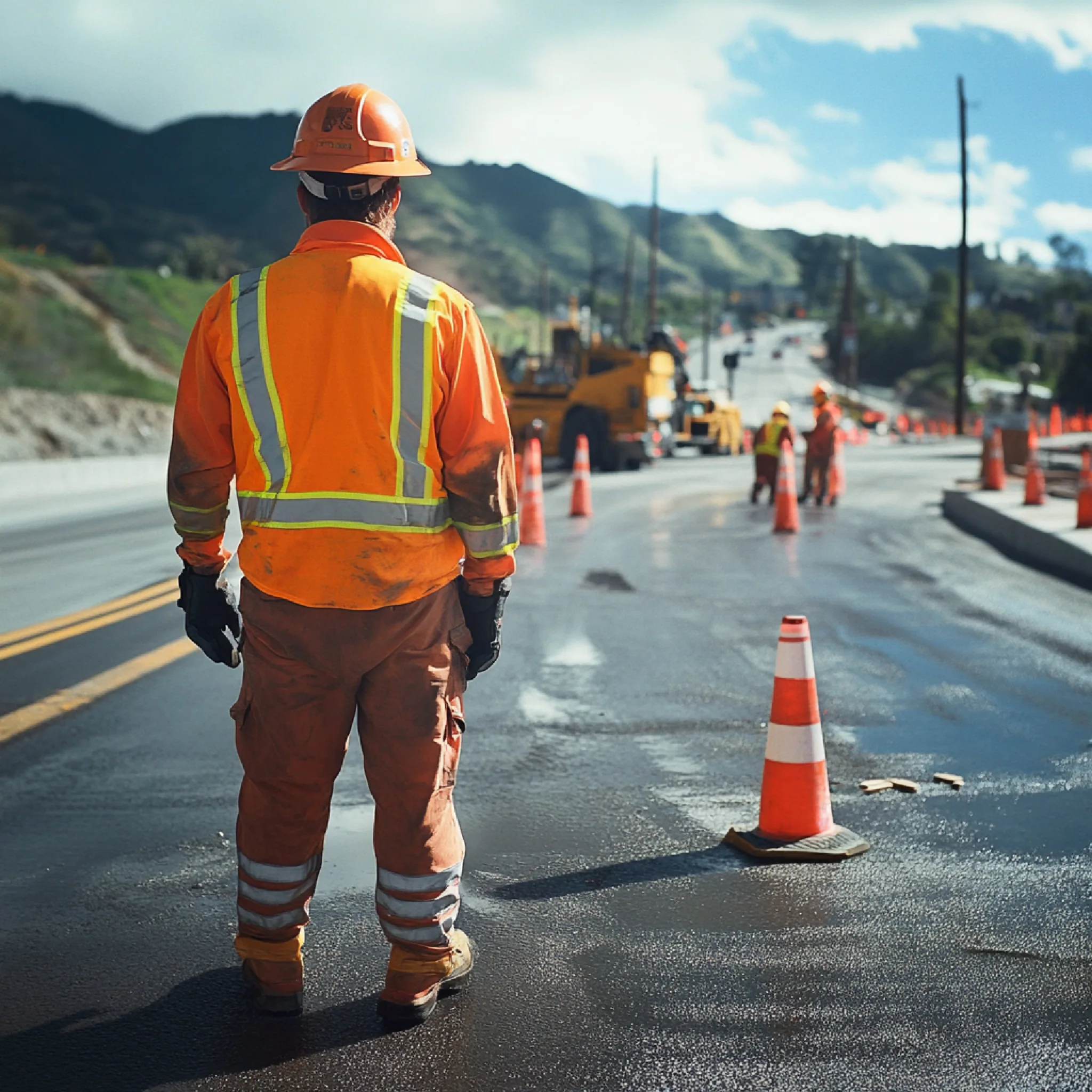
Fall protection is a planned approach to controlling the risk of workers falling from roofs, platforms, scaffolds, towers, structural frames, ladders, elevated machinery and other raised working areas.
Personal fall protection equipment becomes necessary when a hazard cannot be adequately controlled through safer work planning, permanent barriers, guardrails, work platforms or other collective controls. The selected equipment must match the work being performed and function as one compatible system.
A full-body harness alone is not a complete fall protection system. It must be connected to an appropriate anchorage through a suitable lanyard, lifeline, retractable block or other connecting device. The system must also provide sufficient clearance below the worker and be supported by inspection, training and rescue planning.
A worker can lose balance even during a familiar task. Wet flooring, loose material, unstable footing, strong winds, poor visibility, incorrect access equipment, an unexpected obstruction or a momentary loss of concentration can turn routine work into a serious incident.
Fall protection equipment helps employers and project teams:
1. Prevent workers from entering an exposed fall zone.
2. Control movement near roofs, edges and openings.
3. Support workers during positioning tasks.
4. Arrest a fall before the worker reaches a lower level.
5. Reduce the force transmitted to the worker during fall arrest.
6. Maintain a protected connection while workers move.
7. Prepare for the controlled rescue of a suspended worker.
8. Build stronger work-at-height procedures and safety awareness.
Equipment should never replace proper planning. Before starting work, the project team should identify the hazard, determine the safest access method, establish suitable anchorages, calculate clearance and prepare a rescue procedure.
Construction workers may be exposed to open edges, incomplete floors, roof boundaries, scaffolds and steel structures. A correctly designed fall protection arrangement gives the worker a controlled connection while performing these tasks.
Horizontal lifelines, anchorage lifelines and retractable fall-arrest blocks can allow workers to move through a defined work area while remaining connected. The exact solution depends on the direction of travel, anchorage position and worksite layout.
Workers are better able to focus when the equipment fits correctly and they understand how it works. A properly adjusted harness also reduces loose straps, poor positioning and discomfort that can encourage incorrect use.
Clear equipment selection, inspection and connection procedures reduce uncertainty. Supervisors can use the same process to check whether workers are wearing and connecting their equipment correctly.
A correctly selected fall-arrest system is designed to stop a fall while distributing forces through the harness. Its effectiveness depends on compatibility, anchorage, clearance, correct use and the condition of every component.
Training workers to inspect webbing, stitching, buckles, hooks and lifelines encourages them to identify hazards before beginning a task rather than treating PPE as a formality.
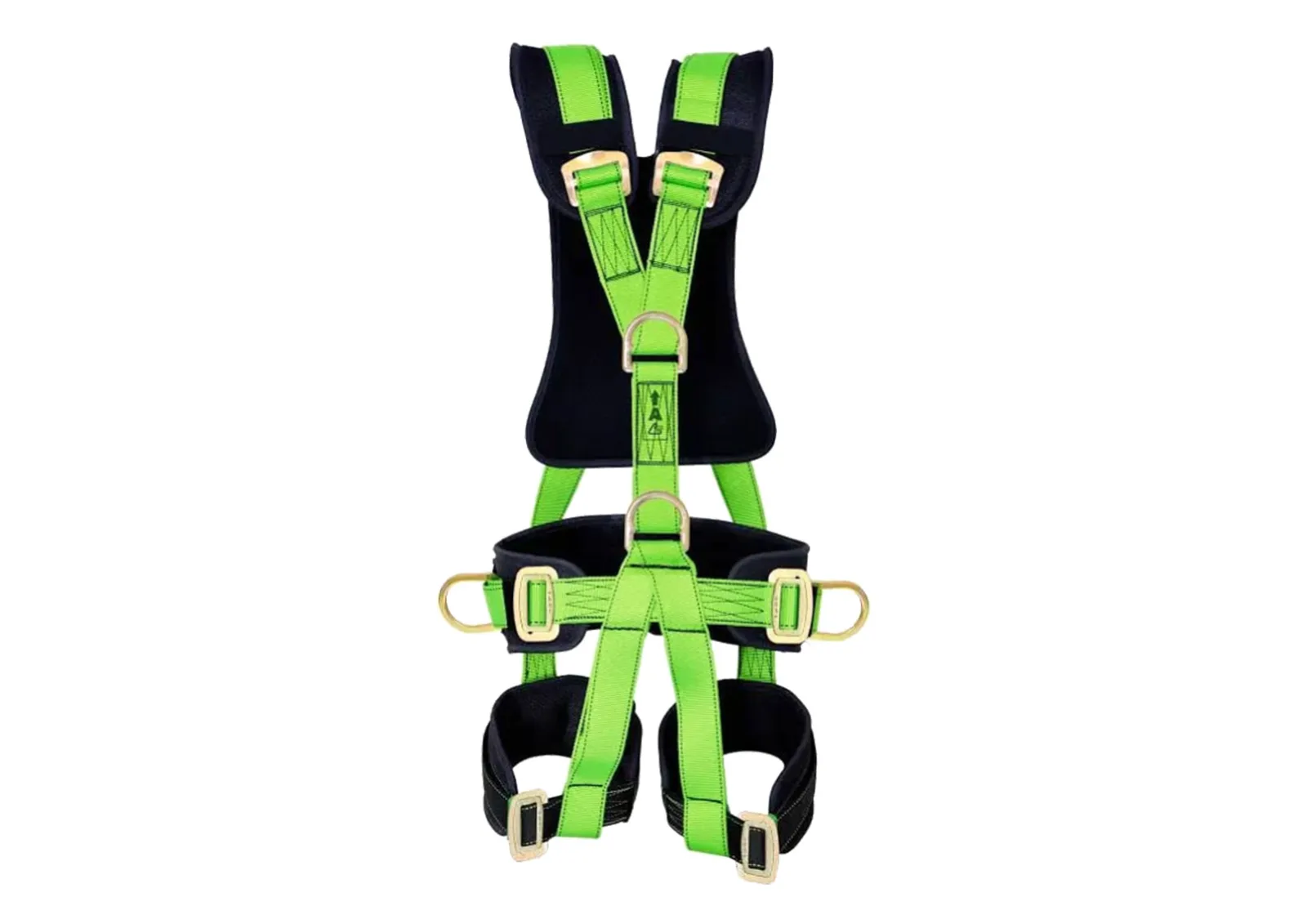
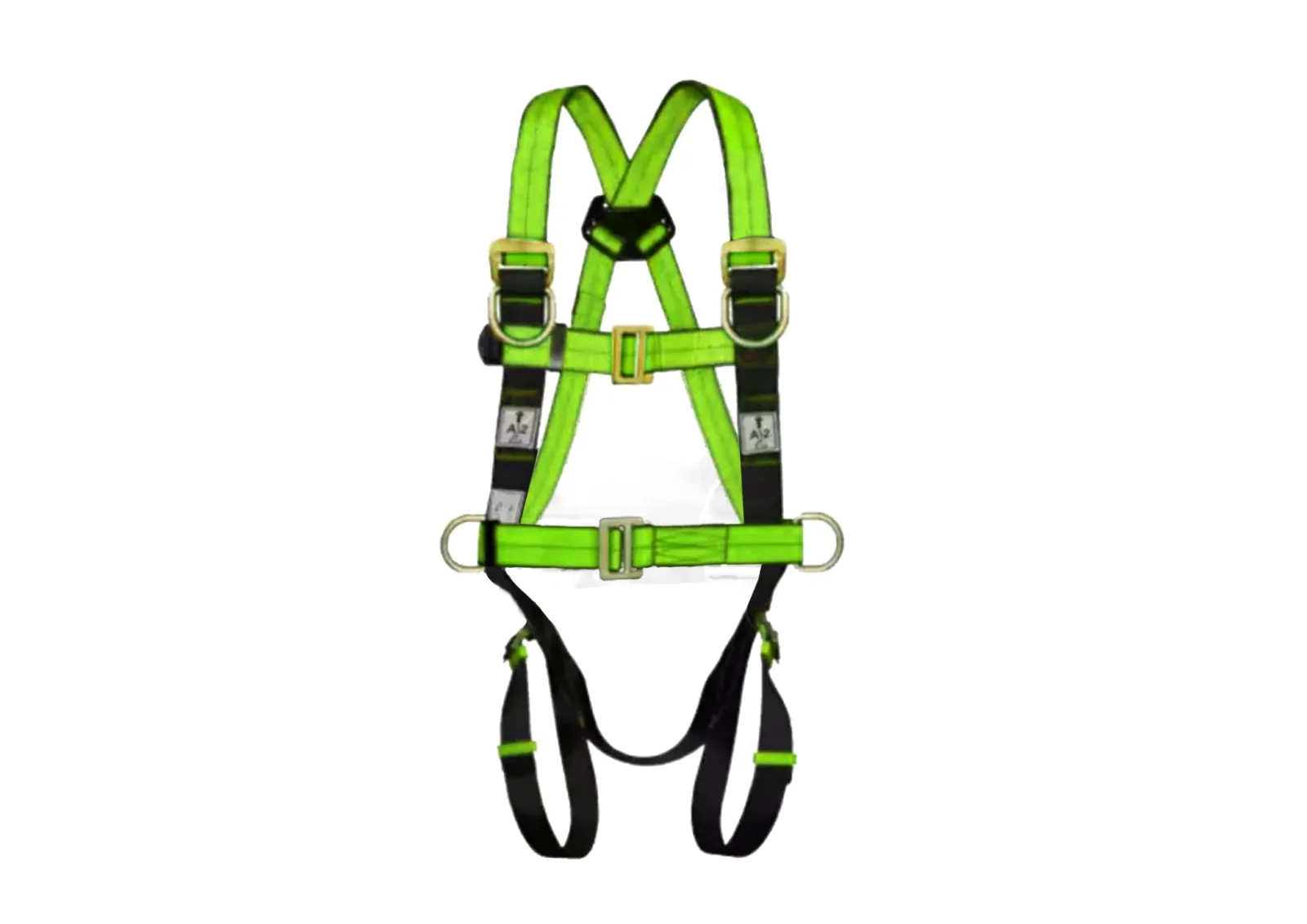
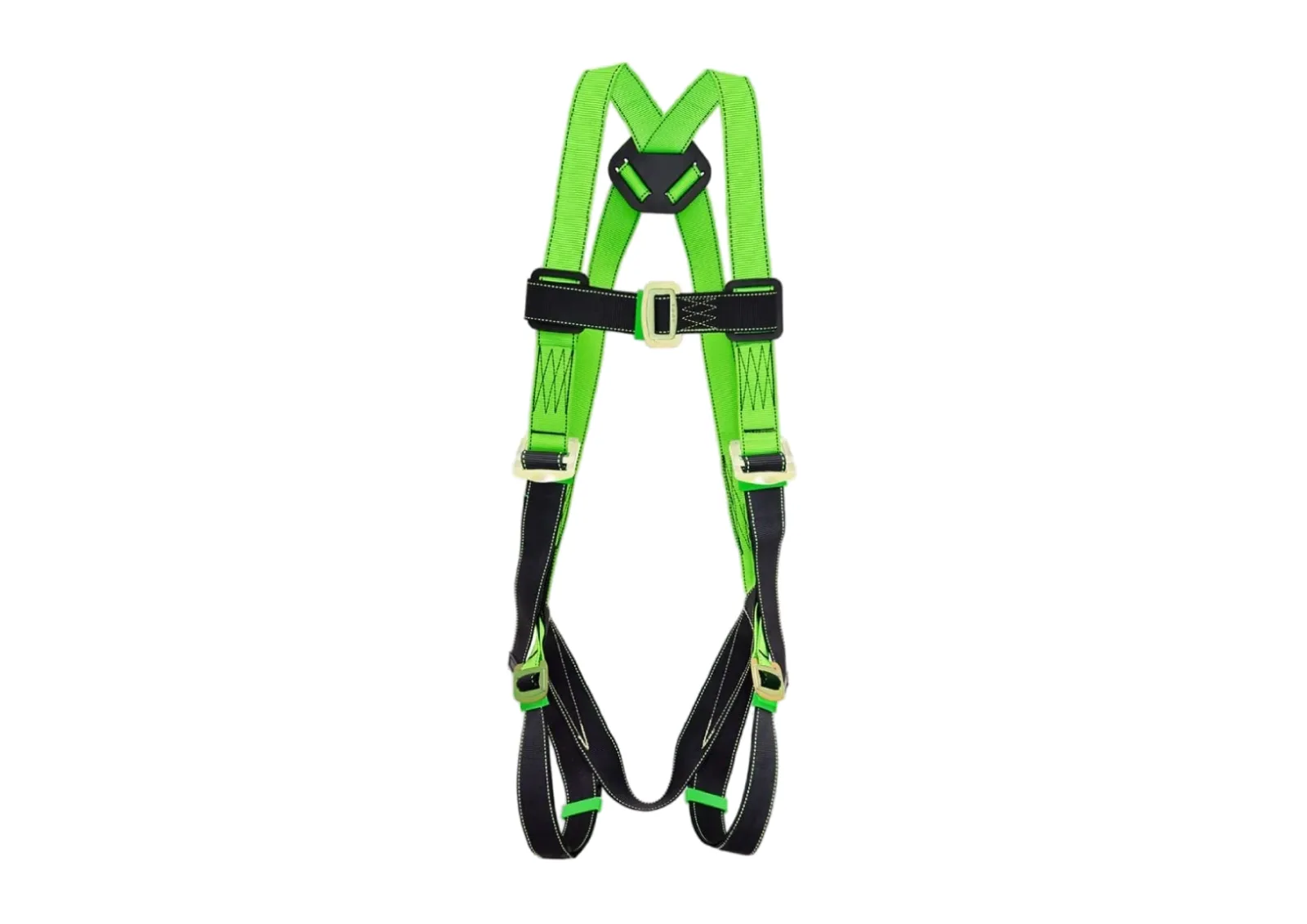
A full body harness is worn around the worker’s torso, thighs and shoulders. It provides one or more attachment points for connecting the worker to a restraint, positioning or fall-arrest system.
Harnesses should be selected according to the application, attachment-point configuration, user size, adjustment range and expected wearing period. A worker performing tower climbing may have different requirements from someone carrying out occasional roof maintenance.
The harness should fit securely without restricting normal movement. Before use, inspect the webbing, stitching, buckles, D-rings, adjustment points and labels. Remove the harness from service when there are cuts, burns, chemical damage, pulled stitching, deformed hardware or missing identification.
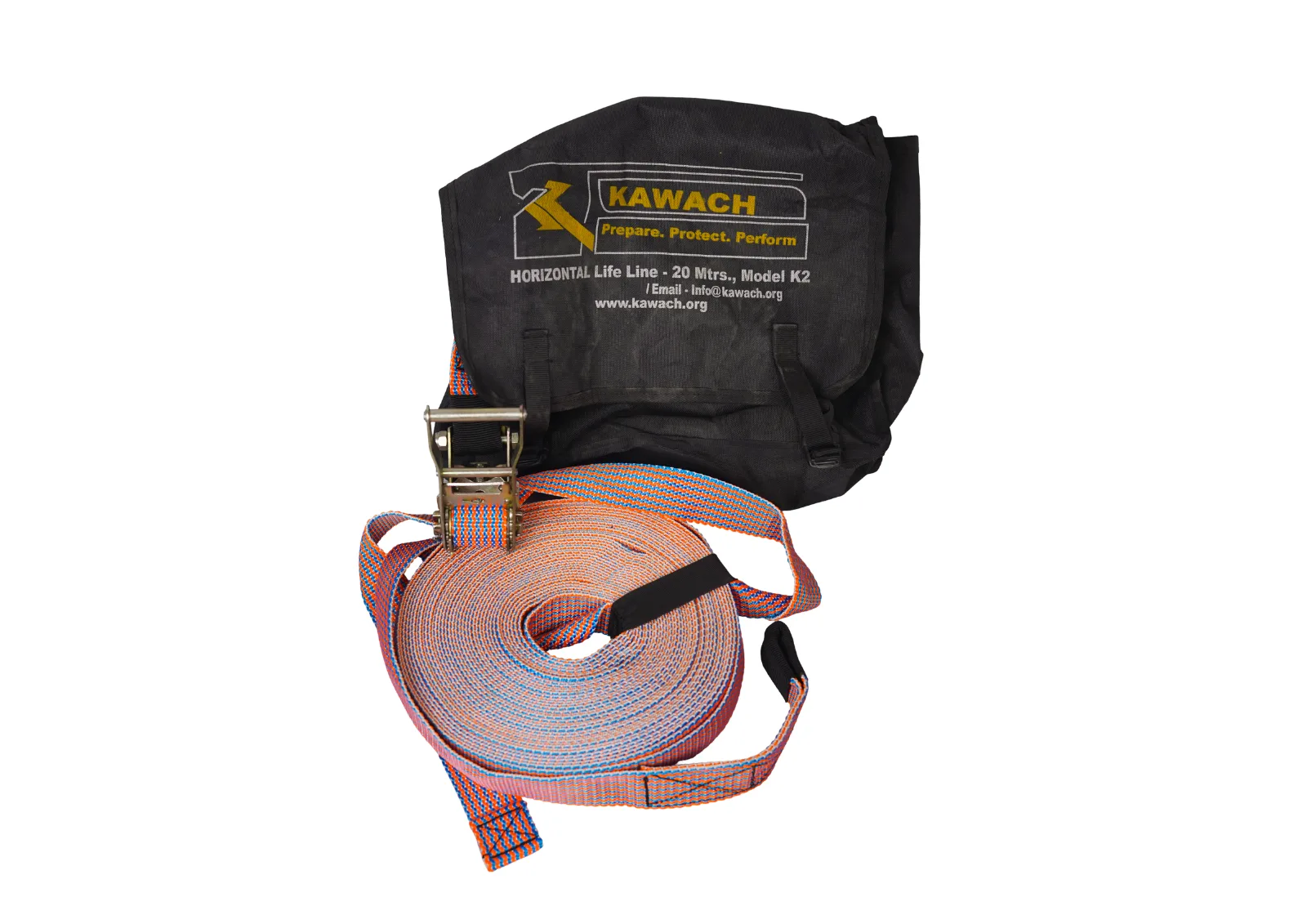
A horizontal lifeline allows a connected worker to move across a defined horizontal area. It may be used on rooftops, structures, industrial plants, loading zones and elevated platforms.
Important factors include the number of users, distance between anchorages, line length, structural suitability, potential line deflection, fall clearance and rescue access. A horizontal lifeline should be selected and installed for the particular structure and application rather than treated as a universal solution.
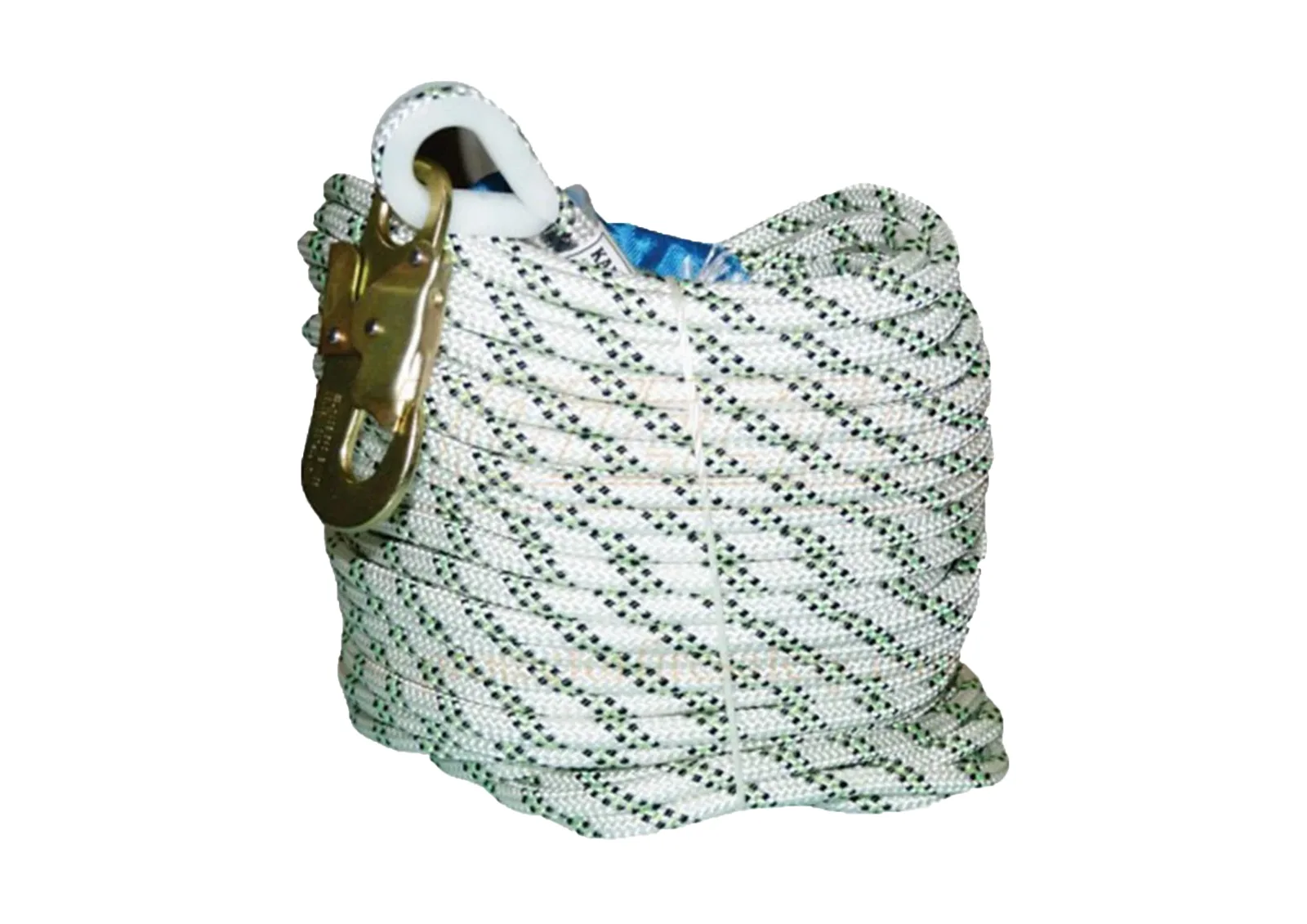
An anchorage lifeline connects the worker’s personal fall protection equipment to a supporting structure. Its suitability depends on the structure, installation method, load direction and intended system.
The nearest available structure is not automatically a safe anchorage. A trained or competent person should evaluate the Anchorage selection and should consider the entire system, including swing-fall exposure and the worker’s position.
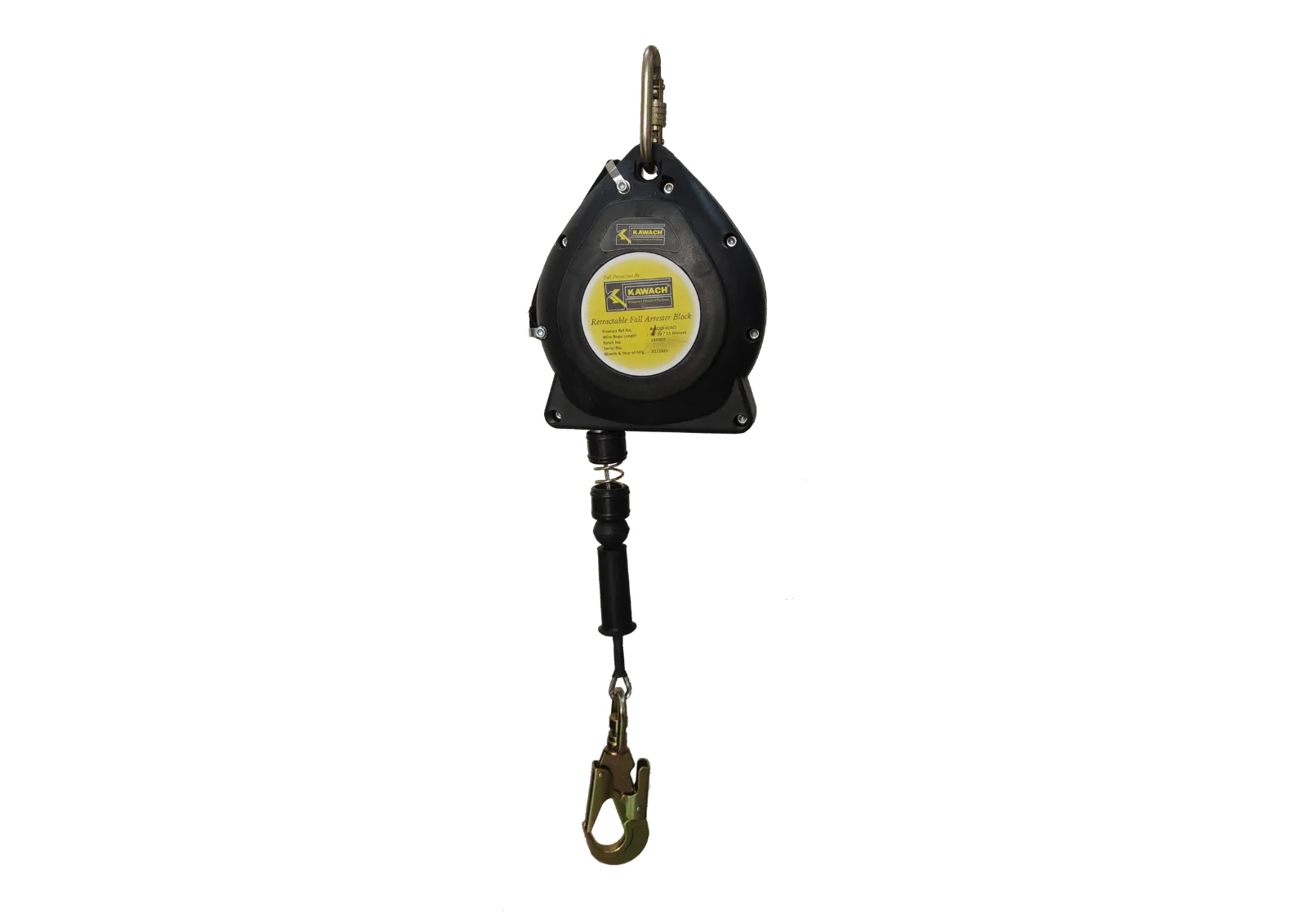
A retractable fall arrest block extends and retracts as a worker moves. Its internal mechanism is designed to lock when it detects sudden acceleration associated with a fall.
Retractable systems can reduce loose lines around the worker and provide useful mobility. However, buyers must check the approved working direction, cable or webbing length, anchorage position, edge conditions and product limitations.
Before use, inspect the casing, lifeline, connectors, labels, retraction and locking action. Do not open or repair the internal mechanism unless an authorized service provider completes the work.
A rescue kit contains equipment intended to help recover, raise or lower a person during a working-at-height emergency.
Rescue planning is essential because arresting the fall is only the first part of the emergency response. The plan should identify the rescuers, equipment, access route, communication method and procedure for reaching the suspended person.
The rescue team should practise the planned method using suitable equipment. Depending only on an external emergency service without an immediate site plan may result in avoidable delays.
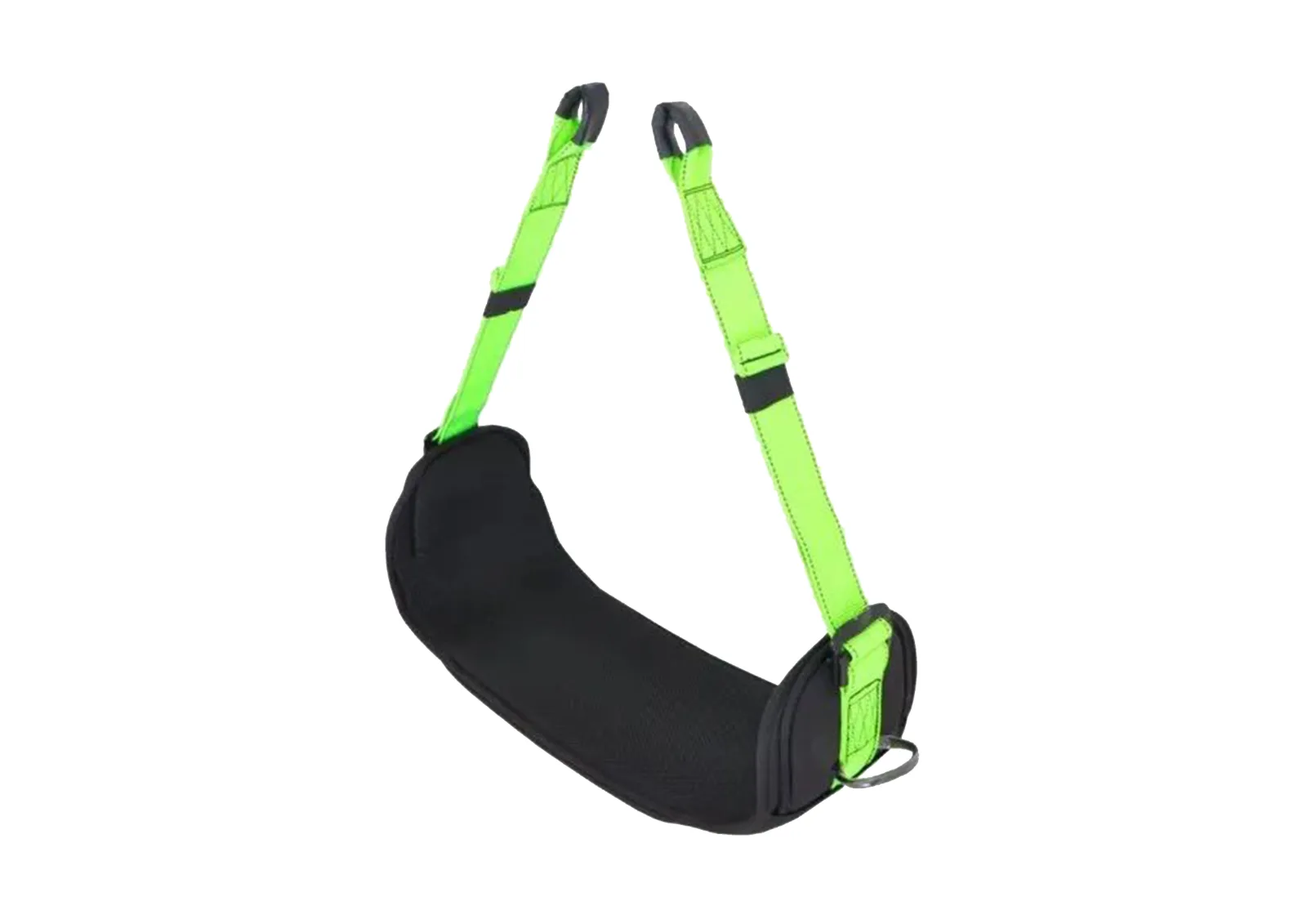
Rock chairs or work seats support workers who need to remain in position for inspection, façade maintenance, cleaning, or related activities.
A work seat should not be assumed to provide complete fall arrest. Depending on the task, the worker may also need an independent full-body harness, a backup lifeline, a compatible connector and a separate anchorage arrangement.
These terms describe different safety functions and should not be used interchangeably.
System | Primary purpose | Typical application |
Fall restraint | Prevents the worker from reaching a fall edge | Roof-edge maintenance or restricted-access zones |
Work positioning | Supports the worker in a controlled working position | Tower, pole or façade work |
Fall arrest | Stops the worker after a fall begins | Work where exposure cannot be completely prevented |
Rescue system | Raises, lowers or recovers a worker during an emergency | Height rescue or post-fall recovery |
A fall-restraint arrangement is generally preferable where practical because it prevents the worker from entering the fall zone. Where fall arrest is necessary, adequate clearance and prompt rescue planning become especially important.
Fall protection products are commonly required for:
1. Commercial and residential construction.
2. Roof installation and maintenance.
3. Scaffolding and structural erection.
4. Telecom and transmission towers.
5. Industrial plant maintenance.
6. Warehouses and logistics facilities.
7. Power, utility and renewable-energy projects.
8. Bridge, flyover and infrastructure work.
9. Façade maintenance and window cleaning.
10. Elevated machinery servicing.
11. Confined-space access and rescue.
12. Oil, gas and petrochemical operations.
The same product should not be automatically issued for every application. Roof work, tower climbing, scaffolding and confined-space entry involve different movement, connection and rescue conditions.
Document where the worker will stand, how the worker will move, which edges or openings are present and what objects or levels are below the work area.
Determine whether the worker needs restraint, positioning, fall arrest, rescue capability or a combination of systems.
Confirm where the worker will connect and whether the structure and anchorage arrangement are suitable for the intended system.
The distance below the worker must be sufficient for the complete system to activate and arrest the fall before contact with a lower surface or obstruction.
A worker connected far to one side of an anchorage can swing like a pendulum during a fall. Anchorage placement and movement limits should reduce this exposure.
Check the user’s size, work activity, required attachment points, adjustment range, fit and wearing duration.
Consider dust, moisture, heat, chemicals, welding sparks, sharp edges, electricity and corrosion. Not every material is suitable for every environment.
Hooks, connectors, harnesses, lanyards, retractable blocks and lifelines must connect securely and function together. Combining individually compliant products does not automatically create a suitable system.
Request the user manual, technical data, applicable standard, test information and certificate for the exact model. Do not rely only on a general company certificate or a document issued for another product.
Plan how the products will be inspected, recorded, stored and replaced. Establish the rescue method before allowing workers to use fall-arrest equipment.
Application | Equipment commonly considered | Important questions |
Rooftop maintenance | Harness, restraint line or lifeline | Can the worker be prevented from reaching the edge? |
Structural construction | Harness, lanyard, anchorage or retractable block | Where will the worker connect while moving? |
Scaffolding | Harness and compatible fall-arrest connection | Is a suitable anchorage continuously accessible? |
Telecom tower work | Climbing harness, lifeline and rescue equipment | How will vertical movement and rescue be managed? |
Warehouse maintenance | Harness and retractable fall arrester | Is overhead anchorage available? |
Façade work | Harness, positioning seat and independent backup | Is the suspension and backup system independent? |
Confined-space work | Harness, retrieval system and rescue equipment | Can the worker be recovered without entry by another person? |
This table is general guidance. The final system must be selected after reviewing the actual worksite and product instructions.
Webbing should be uniform, flexible and free from visible defects. Inspect it for cuts, fraying, burns, hardening, chemical damage and excessive contamination.
Stitching should be complete and consistent, without loose, broken or pulled threads. Contrasting thread may make visual inspection easier where used by the manufacturer.
Metal parts should operate correctly and be free from cracks, deformation, sharp edges and significant corrosion. Self-closing and locking parts should close completely without manual forcing.
Labels should remain readable and provide sufficient information to identify the product, model and manufacturer. Missing identification can prevent the equipment from being properly tracked and inspected.
Quality equipment should be supplied with information covering fitting, connection, inspection, storage, compatibility and limitations.
Ask for documents that correspond to the exact model. Check the issuing organization, certificate scope, model number, standard and validity rather than relying on a logo printed on packaging.
Workers should visually inspect their personal equipment before each use. Formal periodic inspections should also be conducted and documented in accordance with the manufacturer’s instructions and site safety procedures.
Check for:
1. Cut, abraded, burnt or chemically damaged webbing.
2. Broken, loose or pulled stitching.
3. Cracked, bent or corroded hardware.
4. Hooks that do not close and lock properly.
5. Damaged cables, ropes or retractable webbing.
6. Missing or unreadable labels.
7. Unauthorized repairs or modifications.
8. Contamination that may weaken the material.
9. Evidence that the equipment has been subjected to a fall.
Equipment that has arrested a fall should be removed from service immediately and managed in accordance with its instructions and the organization’s inspection procedure.
Store equipment in a clean, dry and well-ventilated location, away from direct sunlight, chemicals, sharp objects, extreme heat and moisture. Do not leave harnesses or lifelines mixed with heavy tools, as they may damage them.
Kawach identified gaps in PPE quality and worksite awareness in 2011 and officially launched the Kawach brand in 2013. This experience has shaped the company’s focus on practical, reliable safety products for Indian working conditions.
Kawach’s manufacturing unit is located in the Bawana Industrial Area of Delhi. Direct involvement in material sourcing, production and final checks gives the company greater control over consistency and quality.
Indian projects often involve heat, moisture, dust, extended shifts and demanding physical work. Kawach focuses on equipment that balances protection, usability, comfort and durability in these conditions.
Clients can source full-body harnesses, anchorage lifelines, horizontal lifelines, retractable blocks, rescue kits and rock chairs from a single supplier. This makes it easier to discuss component compatibility and project-wide requirements.
Kawach’s Training Cell provides practical demonstrations and worksite guidance for clients purchasing Kawach products. Training covers correct PPE use, harness use, routine inspection, fall hazards, working at height practices and height-rescue demonstrations.
Training can be adapted to the equipment, risks and operational conditions present at the client’s worksite. Sessions may include workers, supervisors and safety officers who use or manage the supplied products.
Kawach provides after-sales assistance to answer product-use questions, clarify limitations and help clients receive long-term value from their equipment.
The company’s production and inventory planning support ongoing and bulk requirements for contractors, plants, infrastructure organizations and corporate safety teams across India.
A useful fall protection supplier should ask questions before recommending products. When contacting Kawach, share:
1. The work activity and industry.
2. Maximum working height.
3. Number of workers.
4. Horizontal or vertical movement required.
5. Available anchorage points.
6. Distance to the nearest lower level.
7. Indoor or outdoor use.
8. Environmental exposure.
9. Required product standard or project specification.
10. Delivery location and required quantity.
11. Training and rescue requirements.
Providing these details helps the team understand whether you need a harness, restraint system, lifeline, retractable fall arrester, rescue kit or a combination of products.
Fall protection equipment should be selected according to the worksite – not only according to price or product appearance.
Contact Kawach Safety for help with:
1. Product selection.
2. Model-specific documentation.
3. Bulk quotations.
4. Project supply requirements.
5. Fall protection training.
6. Height-rescue demonstrations.
7. PAN-India delivery enquiries.
Fall protection equipment includes systems used to prevent a worker from reaching a fall hazard, support work positioning or arrest a fall. Common products include full-body harnesses, lanyards, anchorages, lifelines, retractable fall arresters and rescue kits.
No. A harness is only one component. It must be connected to a suitable anchorage using compatible equipment, with sufficient fall clearance, appropriate training and a rescue plan in place.
A fall restraint prevents a worker from reaching the exposed edge. Fall arrest stops the worker after a fall has begun. Restraint should generally be considered where the task can be completed without entering the fall zone.
Construction projects may use full-body harnesses, lanyards, anchorage systems, horizontal or vertical lifelines, retractable blocks and rescue equipment. Selection depends on the task, structure, movement and fall clearance.
Choose the harness based on the work activity, required attachment points, user size, fit, adjustment range, wear duration and compatibility with the rest of the system.
Fall clearance is the unobstructed distance required below a worker for the fall-arrest system to activate and stop the fall before the worker contacts the ground or another lower object.
A swing fall can occur when the worker falls while connected away from the anchorage’s vertical line. The worker may swing toward a structure or obstruction. Suitable anchorage placement helps reduce this risk.
Workers should visually inspect personal equipment before each use. Formal inspections should also be completed and recorded in accordance with the manufacturer’s instructions and the worksite safety procedure.
Equipment that has arrested a fall should be removed from service immediately. It should only be returned to use when the manufacturer’s instructions and an authorized inspection process permit it.
A fall-arrest system may leave a worker suspended. A rescue plan identifies how trained personnel will reach and recover that worker using suitable equipment without creating additional risks.
No. Certification is important, but the equipment must also match the application, worker, anchorage, environment and complete system. Always check the documentation for the exact product model.
Kawach operates a manufacturing unit in Bawana, Delhi and supplies fall-protection products, including full-body harnesses, lifelines, retractable blocks, rescue kits and rock chairs.
Kawach’s Training Cell provides practical training to clients purchasing Kawach equipment. Sessions include proper wear, equipment inspection, fall hazards, working at height practices and height-rescue demonstrations.
Kawach supports bulk and ongoing requirements for construction, industrial, infrastructure, warehouse and corporate safety projects. Buyers should share the product specifications, quantities and delivery schedule when requesting a quotation.
Kawach supports industrial and construction safety requirements across India from its manufacturing base in Delhi. Delivery availability and timelines should be confirmed for the required location and order quantity.
WhatsApp us