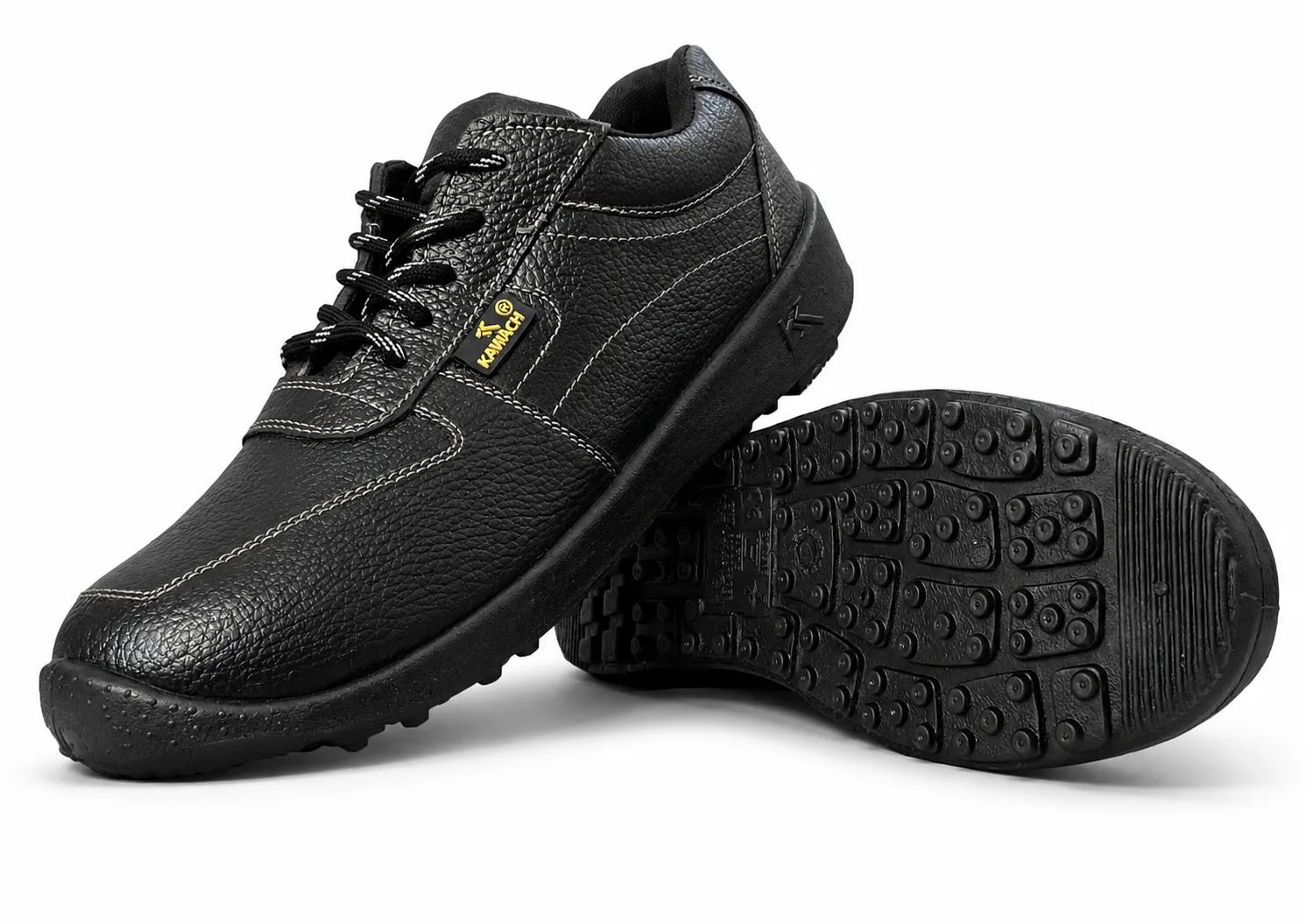
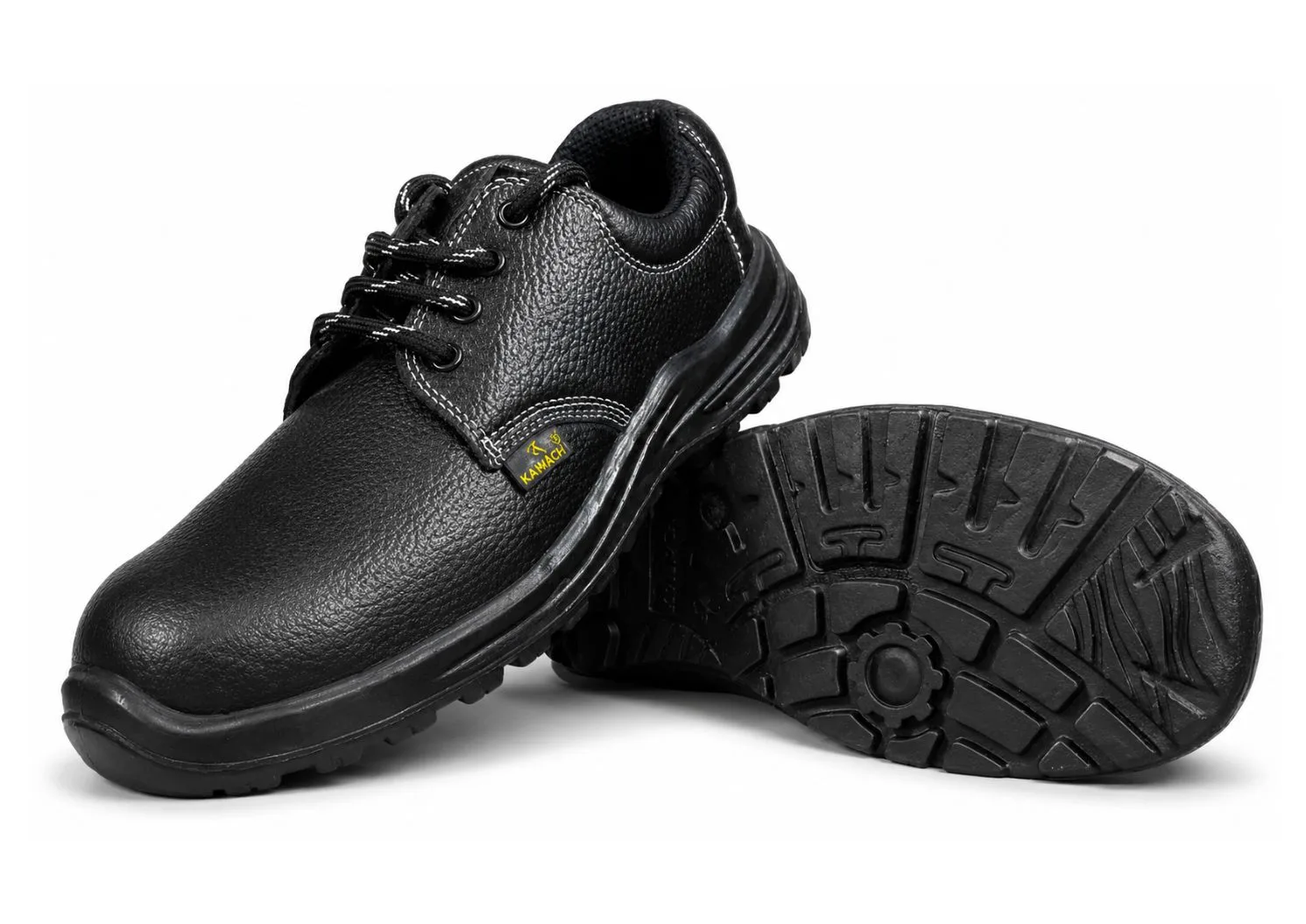
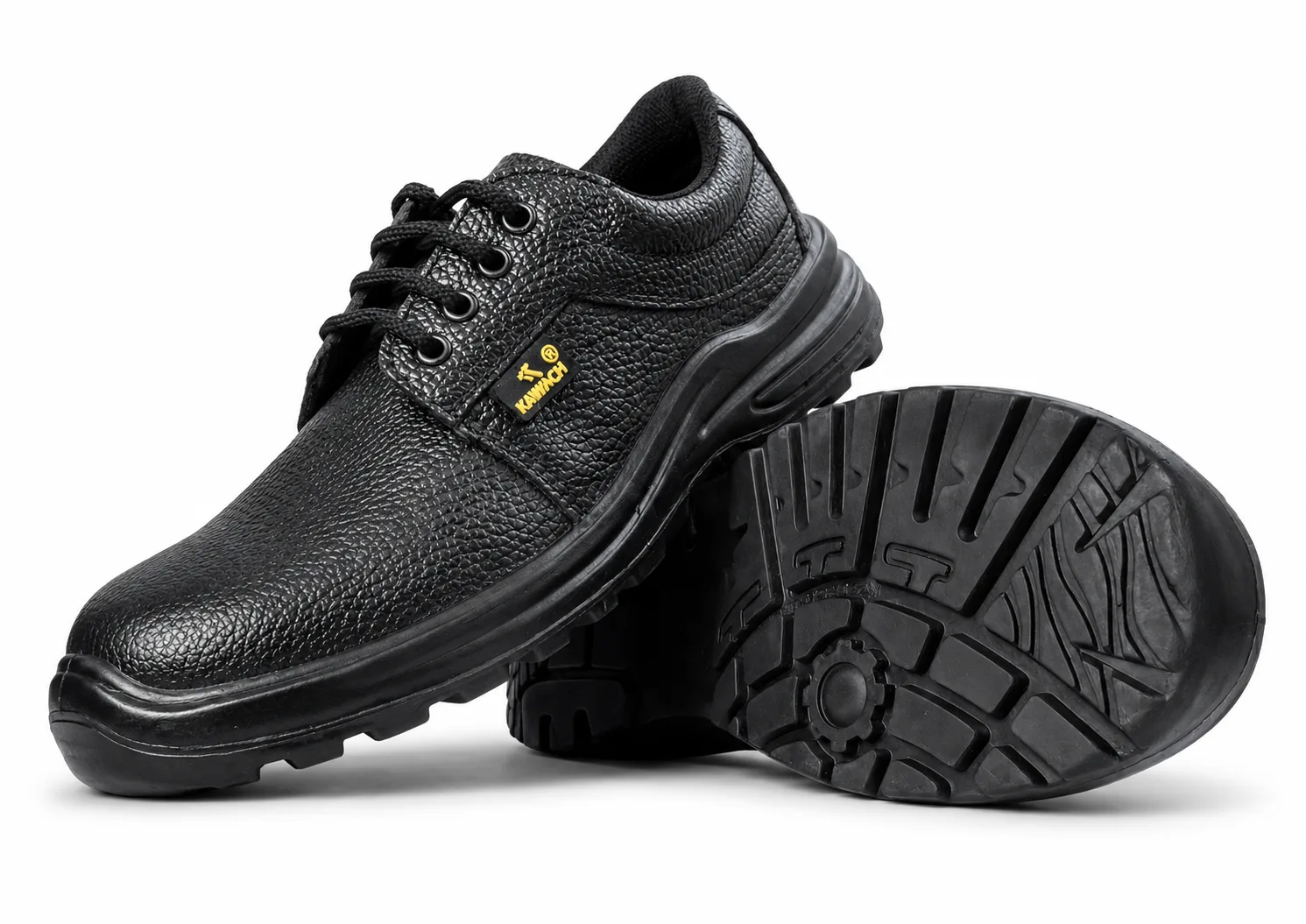
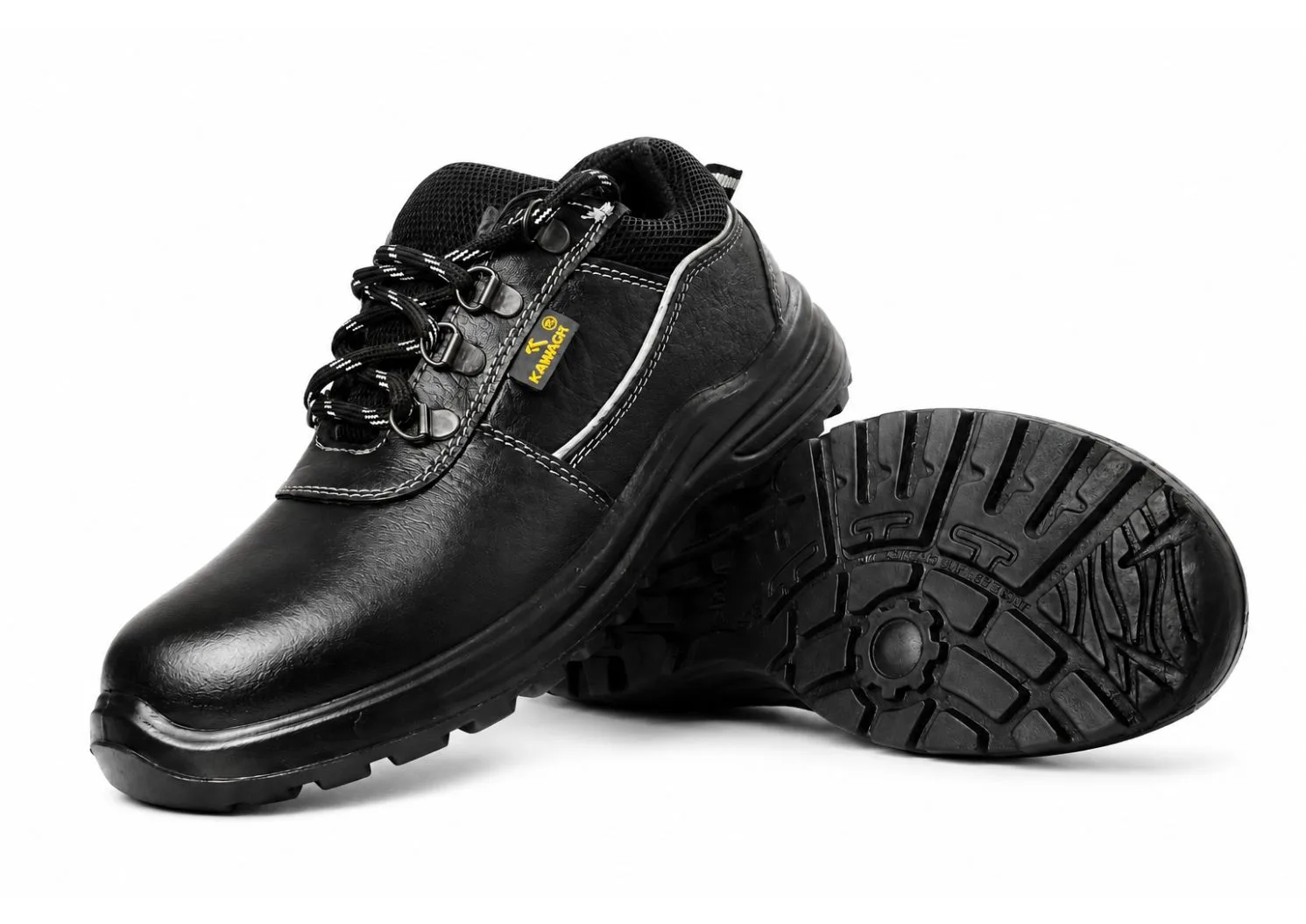
Fitter Safety Shoes Product Details
Fitter Safety Shoes for Industrial Work: Features Explained
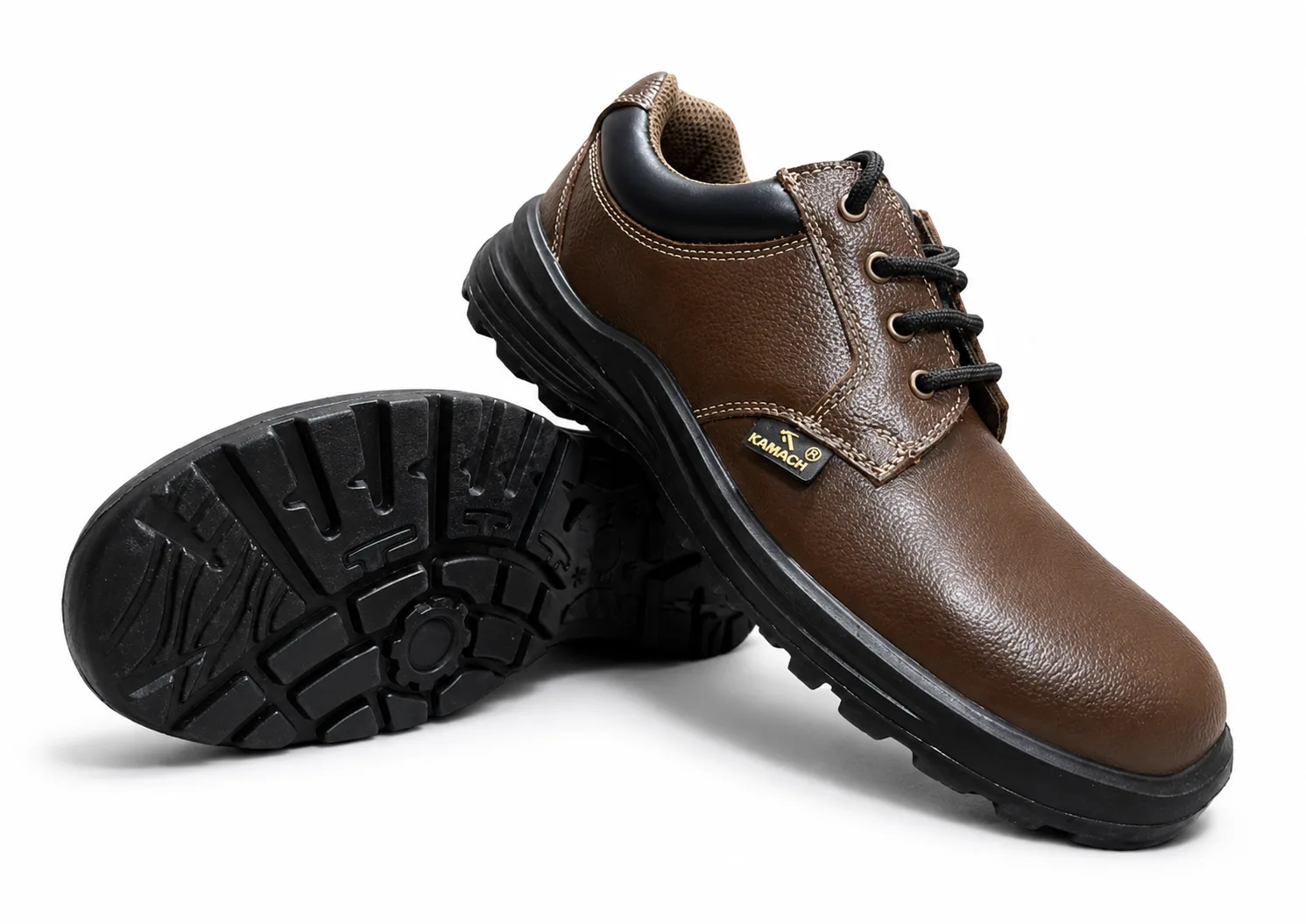
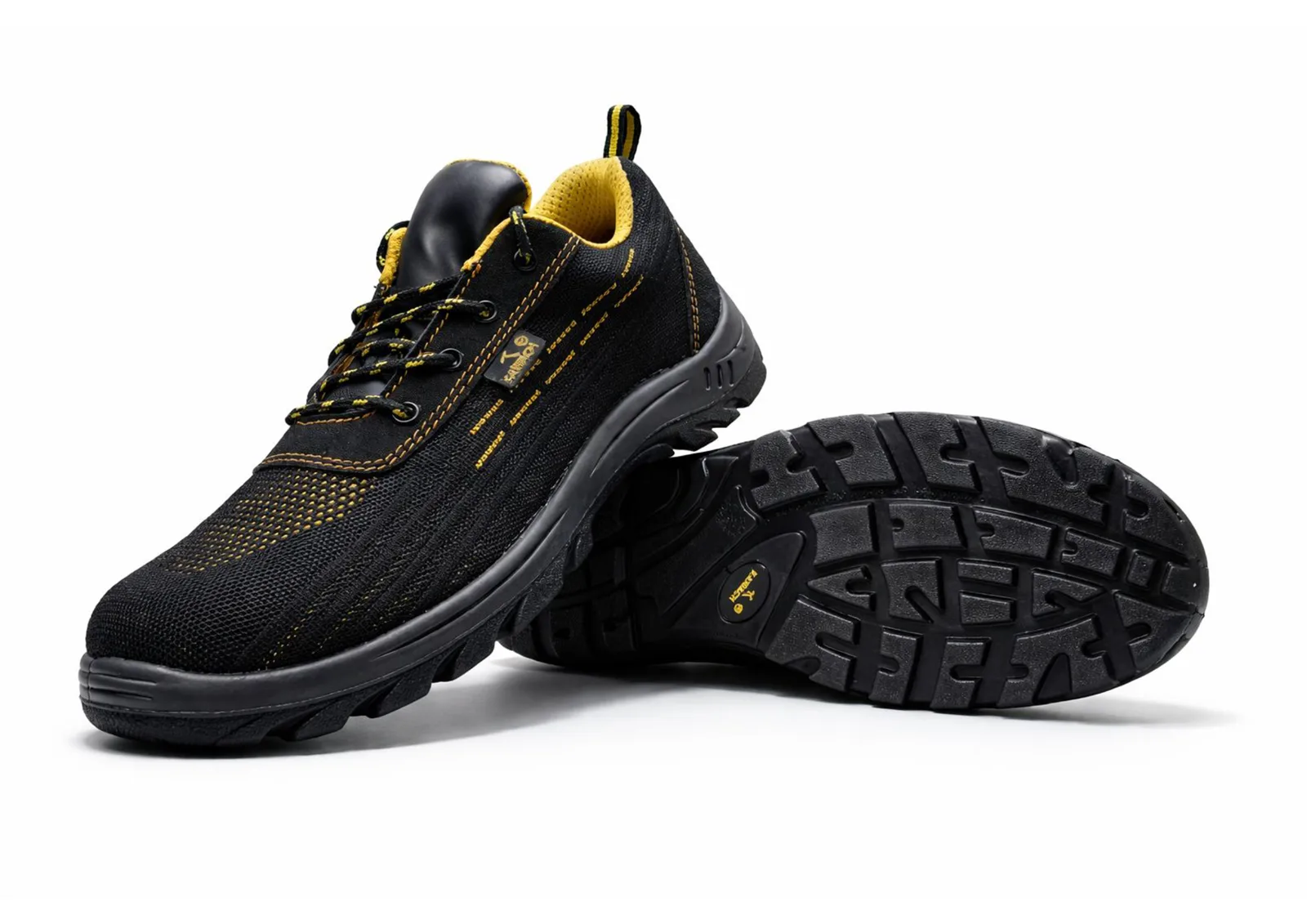
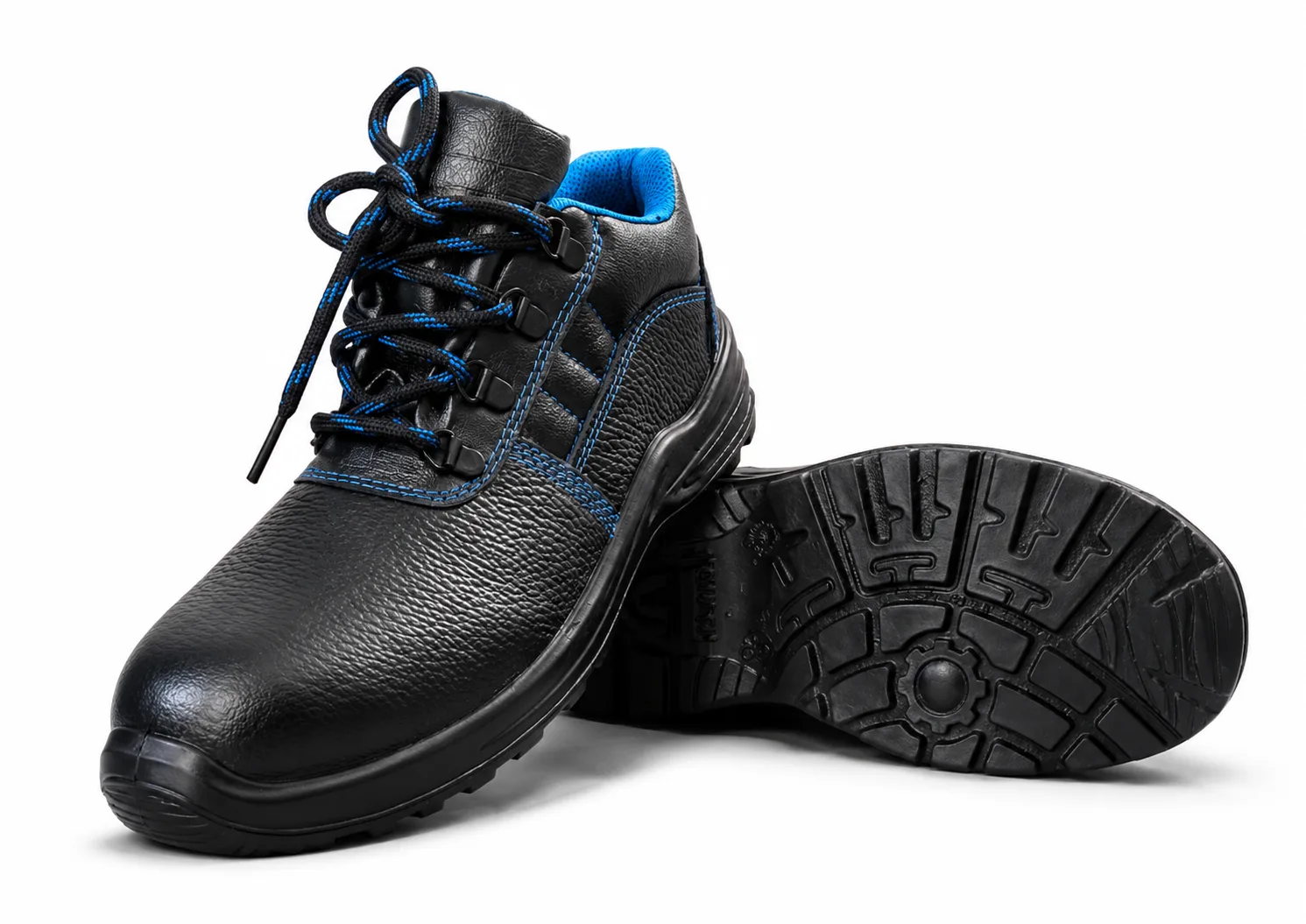
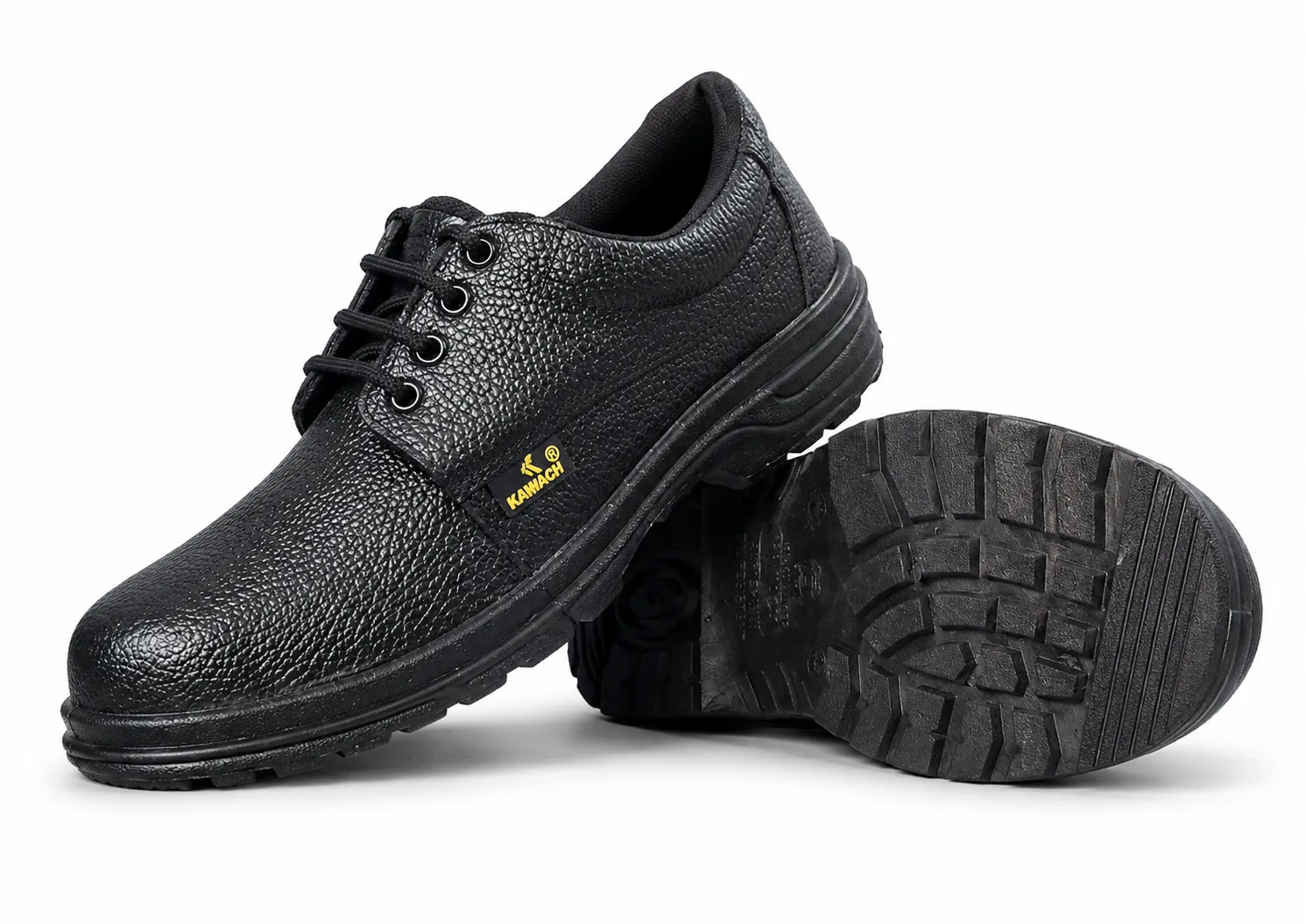
Fitter is a fibre-toe industrial safety-shoe model with a stated 200J protective toe rating, split-dye cross-leather upper and single-density PU outsole. It can be evaluated by workers, EHS teams and buyers who need to compare the shoe’s features with the hazards of construction, maintenance and other industrial tasks.
A shoes purchase should not be made from the product photograph alone. Depending on the work, the user may face impact hazards, slippery floors, moisture, chemicals, climbing tasks or specialist electrical conditions. The important question is which hazards are covered by test-backed features of the exact model being purchased.
What Does a 200J Fibre Toe Cap Mean?
The fibre toe cap is a non-metallic protective component in the front of the shoe. Its published 200-joule (200J) rating refers to impact energy used in prescribed protective-shoes testing. The
cap is intended to help protect the toe area against certain accidental impacts from handled objects or equipment parts.
The 200J rating is not a guarantee against every incident. It should not be presented as a simple 200 kg load-bearing claim, and it does not establish underfoot puncture resistance or protection against specialised hazards.
Fibre Toe vs Steel Toe: Which Is Better?
Both fibre and steel toe caps can be used in safety-shoes designs that meet the applicable protective-toe performance requirements. They differ in material, but the toe cap alone does not determine total shoe weight, comfort or electrical safety.
Fitter uses a fibre toe cap, yet the published specification also lists steel eyelet rings. Do not describe the entire model as fully metal-free. For buyers comparing fibre and steel toes, assess documented protection, fit, total product weight and the complete shoe construction.
How Does the Split-Dye Cross-Leather Upper Help?
The Fitter upper is specified as black split-dye cross leather, 1.8-2.0 mm thick. Leather forms a substantial outer layer and is commonly selected for industrial shoes. Long-term performance depends on the leather, complete construction, cleaning and actual working conditions.
The product lists a water-repellent upper, but this should be understood as limited moisture resistance, not full waterproofing. Work involving deep water, continuous wet exposure or heavy rain needs separate evaluation and supporting test evidence.
Why Use a Single-Density PU Sole?
Fitter uses a single-density polyurethane (PU) outsole. PU is widely used in industrial shoes and may provide a useful balance of flexibility and cushioning, depending on its formulation and design.
Outsole traction is influenced by tread shape, floor type, contaminants and wear. The available web listing is inconsistent about whether the sole is pasted or injection-attached; therefore, the correct approved sole-attachment process should be confirmed separately rather than guessed on the product page.
Oil Resistance, Chemical Resistance and Slip Resistance
Fitter lists oil, chemical and slip resistance. These are not interchangeable guarantees.
- Oil resistance concerns how outsole material responds to specified oil
- Slip resistance concerns tested traction under particular surface
- Chemical resistance depends on the individual substance, concentration and contact
An oil-resistant sole may still slip on oil-contaminated flooring. A general chemical-resistance claim does not mean the shoe can tolerate every solvent, acid or chemical-processing condition.
Procurement teams should request relevant evidence where such exposure is part of the job.
EVA Insole, Mesh Lining and Padded Collar
Fitter has an EVA sheet insole, mesh lining and PU foam around the collar and tongue. These components are intended to make everyday wear more comfortable. They do not guarantee the same result for every wearer; correct sizing, socks and task-specific movement matter. For large orders, trial fitting is a sensible way to check comfort.
When Would Another Safety Shoe Be More Appropriate?
A different model may be required if the worksite specifies features not established in Fitter’s public product listing, such as a tested puncture-resistant midsole, fully waterproof construction, specialist thermal protection, ankle support, a documented ladder-grip rating or electrical insulation verified for the intended job.
Where a feature is essential to worker protection, do not assume it is present without the applicable documentation.
Electrical Performance and Tower-Climbing Suitability: Important Buying Guidance
Does Fitter Protect Against Electrical Shock?
The published Fitter product page includes an electrical-resistance claim of up to 18 kV for one minute and a separate antistatic claim. Those statements alone do not establish a safe voltage for wearing the shoes while working on energised equipment.
Before using the model for any task involving electric-shock risk, a competent safety professional should verify the exact standard, complete test report, conditions, product markings, usage limits and whether the tested shoes matches the shoes supplied.
Antistatic vs Electrically Insulating Shoes
Antistatic shoes is intended to allow controlled static-charge dissipation under specified conditions. Electrically insulating shoes is intended for a different protective purpose. These descriptions must not be used interchangeably.
A fibre toe cap does not independently provide electrical insulation, nor do steel eyelets automatically establish whether the complete shoe passed or failed a specified test. The correct conclusion must come from testing of the complete shoes.
What Should an Industrial Electrical Buyer Request?
Ask for the electrical test standard, applicable method, tested voltage and duration, laboratory report, sample/model identification, date, criteria and any restrictions on use. In addition, confirm the employer’s electrical-safety procedures and the protective equipment required for the actual task.
Can Fitter Be Used for Tower or Ladder Work?
Tower climbing is named in the product’s listed applications. Nonetheless, actual suitability depends on the climbing surface, outsole tread, secure fit, ladder-grip requirements and work-at-height risk assessment. Ask for relevant ladder-grip testing if the procurement specification demands it.
Work-at-height note: Safety shoes is one component of a safe climbing system and cannot replace required harnesses, anchors, fall protection, training or rescue procedures.
Choosing and Maintaining Fitter Safety Shoes
A Practical Worksite Selection Checklist
Before approving Fitter for a worker, review the risks associated with the actual job:
- Is a documented 200J protective toe required?
- Will the worker encounter wet, oily or contaminated floors?
- Is there a risk of sharp objects penetrating the sole? A tested puncture-resistant insert is not identified in the public Fitter specification.
- Are specialist electrical properties required? If so, what specific standard, rating and work procedure apply?
- Will the worker use ladders, towers or elevated structures that have special shoes/grip requirements?
- Is extended water, chemical or heat exposure expected?
- Is the official size chart available and has the fit been checked?
Daily Care and Inspection
Remove loose dirt after use and clean the leather with an appropriate method. Let damp shoes dry naturally. Check laces, eyelets, stitching, the protective toe area, the outsole tread and any signs of separation or deterioration. Follow the shoes care instructions.
shoes may need to be withdrawn from use following substantial impact, severe wear, chemical exposure or visible damage. Do not rely on continued electrical performance after damage or contamination without the required inspection and approvals.
Which BIS Standard Applies to the Fitter Model?
The current product page references IS 15298 (Part 2). BIS revised this safety-shoes standard to IS 15298 (Part 2):2024, based on ISO 20345:2021 with Indian modifications. Buyers should check the current model-specific BIS licence details, marking, classification and supporting test documents before asserting or relying on current certification.
BIS Certification, NABL Testing and ISO 9001 Are Different
BIS product certification concerns the product and its licence scope. NABL laboratory accreditation concerns the laboratory’s competence for accredited tests; a test report does not automatically equal a BIS licence. ISO 9001 concerns a quality-management system, not an independent guarantee that every protective feature of a particular shoe has been tested.
For industrial purchasing, request the latest model-specific datasheet and the test records for toe protection, antistatic/electrical claims, outsole performance and any other mandatory feature.
Product photos of certificates should not replace checking that the actual documents apply to the Fitter model and the supplied variant.
Fitter Safety Shoes Price in India and Bulk Enquiries
What Is the Price of Fitter Safety Shoes?
The current commercial price should be confirmed through a quotation from Kawach Safe Gears India Pvt. Ltd. Prices, available sizes and delivery terms may vary with the required quantity and location. No fixed price or guaranteed stock is stated here.
What to Share for a Bulk Shoes Quotation
- Company or organisation name and a contact person
- Total number of pairs required
- Size-wise quantity for sizes 5-11
- Delivery city and state
- Expected order or delivery timeline
- Intended industry and worksite conditions
- Required safety certification and test documentation
- Any other technical purchasing requirements
Please confirm current stock, minimum order quantities, dispatch timelines, taxes, freight and commercial terms with the sales team.
Contact Kawach Safe Gears India Pvt. Ltd.
Businesses in Delhi-NCR and elsewhere in India can contact the company to discuss the Fitter model, product documentation, fit requirements and commercial quotations. Nationwide supply to any specific location should be confirmed during the enquiry.
Request a Fitter Safety Shoes bulk quotation Phone: +91 97118 70298
Email: info@kawach.org
Online enquiry: Contact Us
Frequently Asked Questions About Fitter Safety Shoes
Our Experience in Industrial Safety Shoes
Practical Product Guidance from Kawach Safe Gears India Pvt. Ltd.
At Kawach Safe Gears India Pvt. Ltd., our approach to industrial protective shoes focuses on understanding the real conditions in which shoes are worn. Workers in construction, tower maintenance, electrical-industry support and mining can encounter very different risks even when their job descriptions sound similar.
When we explain the Fitter model, we aim to provide practical information about the 200J fibre toe, leather upper, PU outsole, comfort components, available sizes and the resistance features named in the product specification. Just as importantly, we want customers to understand where the right test documentation and a workplace risk assessment are necessary.
From our experience with industrial safety requirements, a shoe should not be selected merely because it looks strong or because a catalogue lists several protective features. The intended task, fitting, site rules and model-specific test evidence must all be considered.
That is why we have written this product guidance to help workers, contractors, EHS professionals, electrical safety teams and procurement managers ask the right questions before buying. We explain the available specifications and their limitations instead of treating a fibre toe cap or a general electrical-resistance statement as proof of universal protection.
Our goal is to make the Fitter Safety Shoes information clear, useful and transparent so customers can select shoes appropriate to their workplace.
For approved test documents, product fit and bulk enquiries, please contact our team. Kawach Safe Gears India Pvt. Ltd.
Phone: +91 97118 70298
Email: info@kawach.org
Enquiry: Contact Us