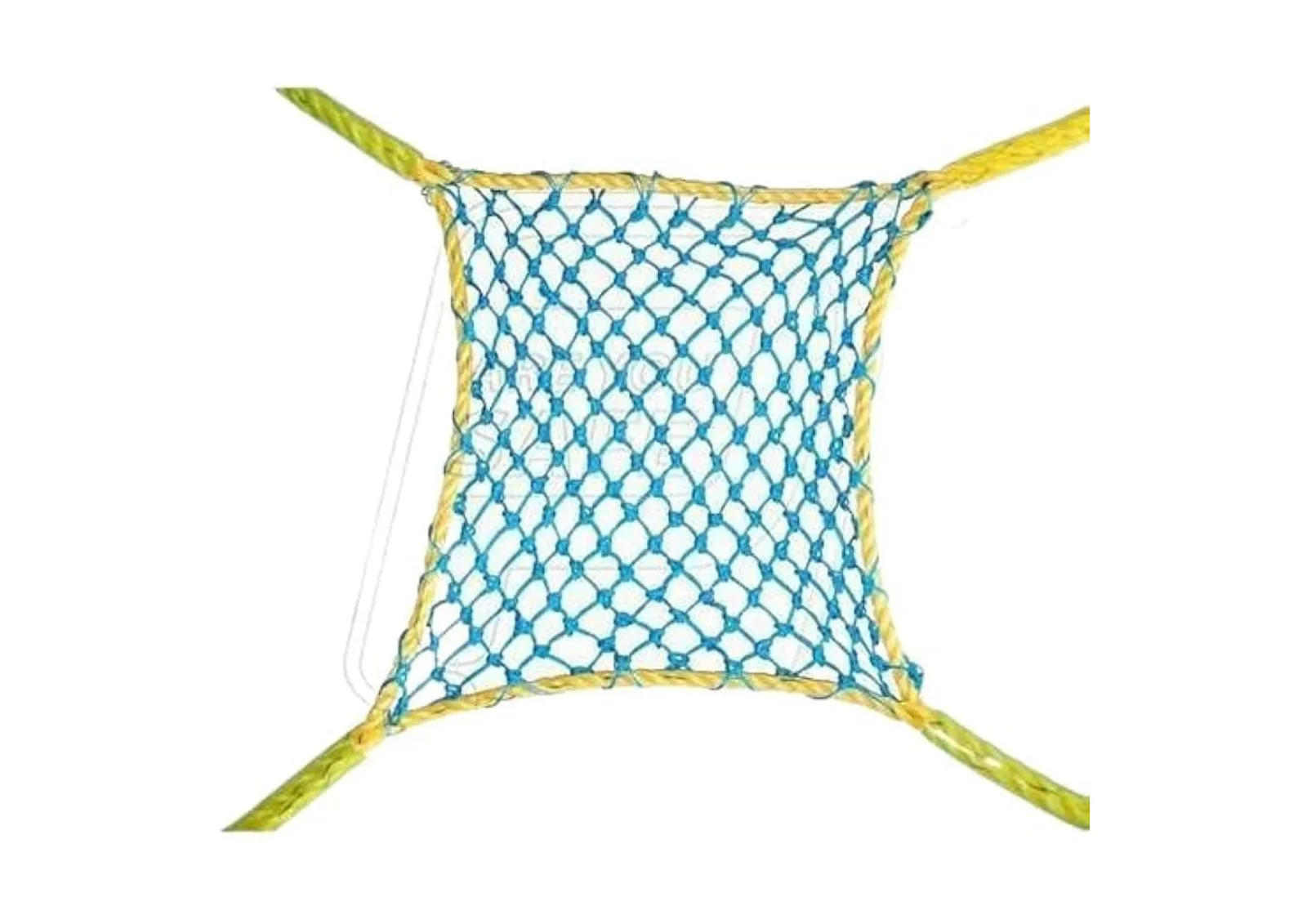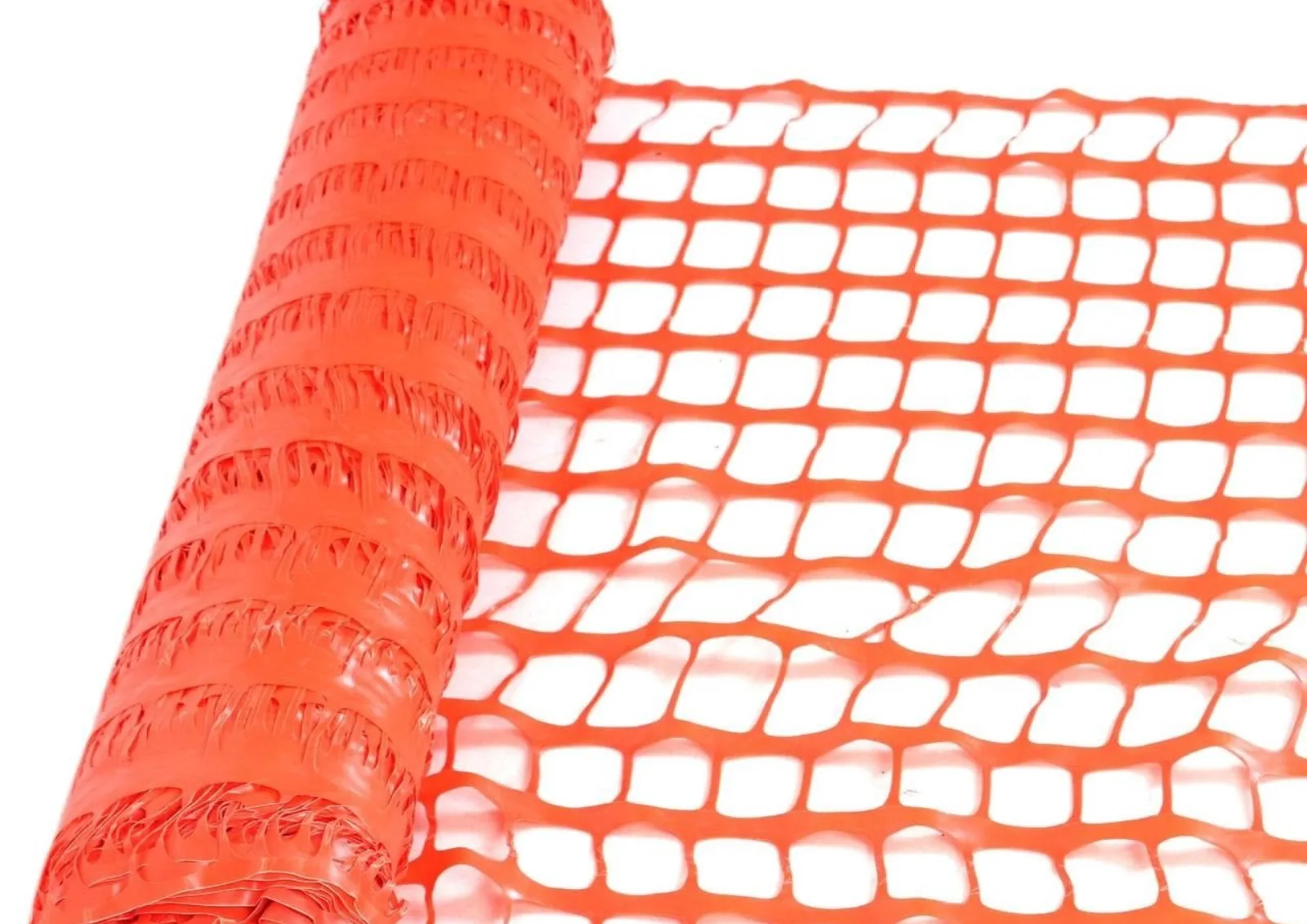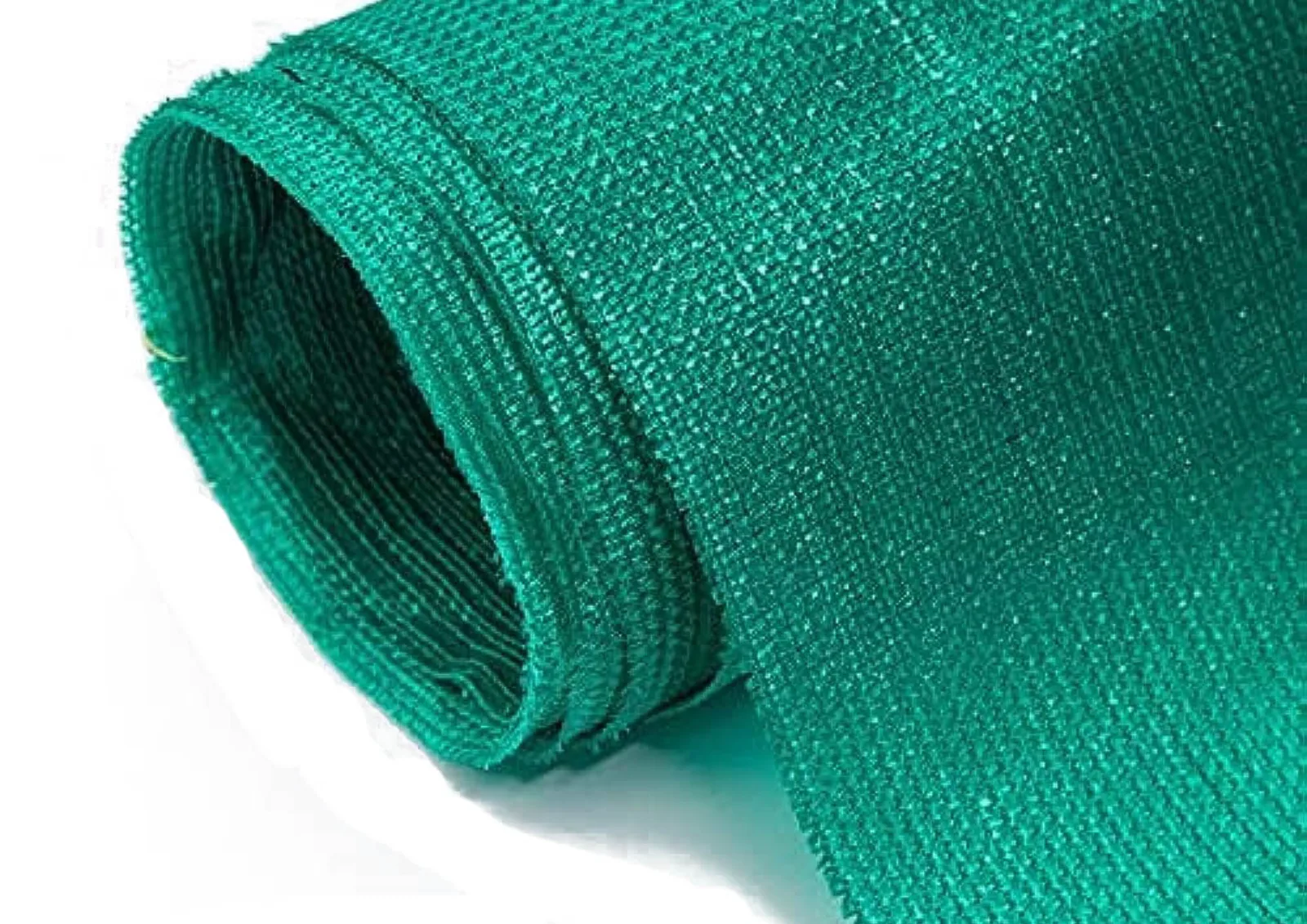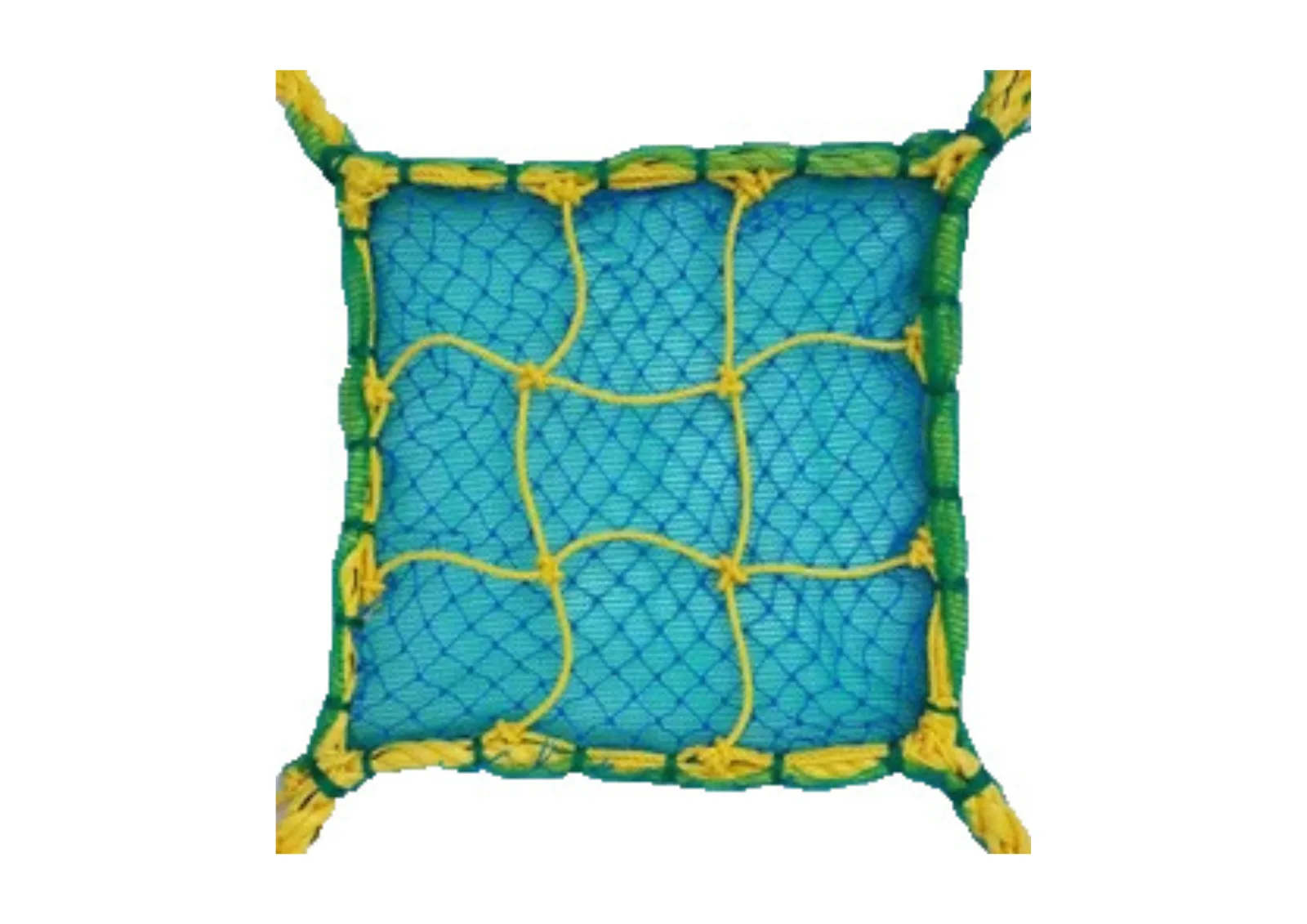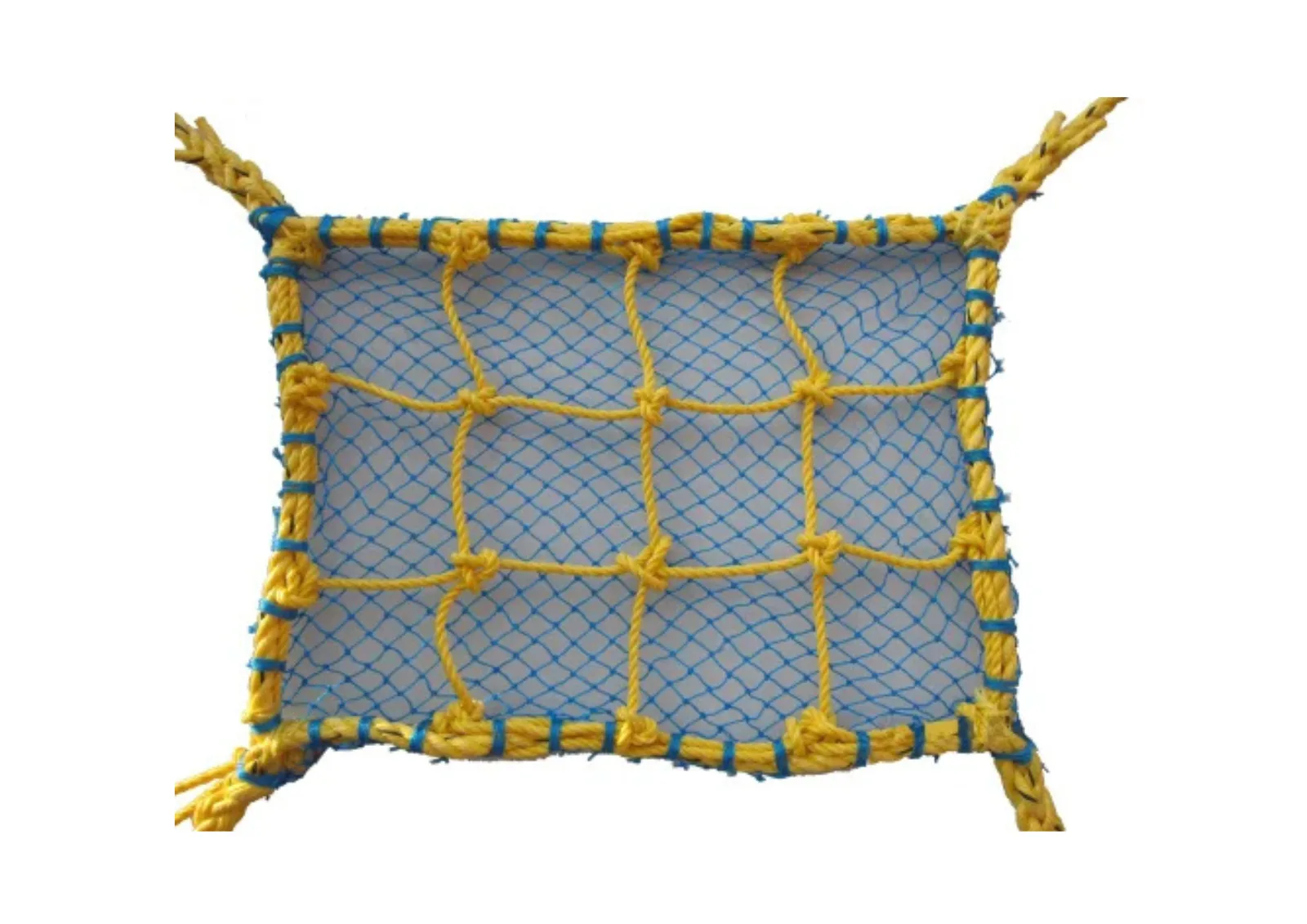
Strong and reliable safety nets designed to catch falls and debris, adding a crucial layer of protection to high-risk job sites.
Working at height is one of the most challenging safety situations across construction sites, industrial plants, infrastructure projects and maintenance operations. A single mistake, equipment failure, or unexpected movement can put a worker’s life at risk within seconds.
A professionally designed Safety Net System provides an additional layer of protection by reducing the impact of accidental falls and controlling falling materials in high-risk work environments.
Kawach Safety provides industrial safety solutions to help organizations create safer workplaces. Our safety product range helps construction companies, contractors, factories and industries improve workplace protection with reliable fall protection equipment.
A safety net is not only a product; it is a life-protection system that supports workers in unexpected situations.
Whether you require a Construction Safety Net, Industrial Safety Net, Building Safety Net, Debris Safety Net, or Fall Protection Safety Net, selecting the right quality and installation method is essential for worker protection.
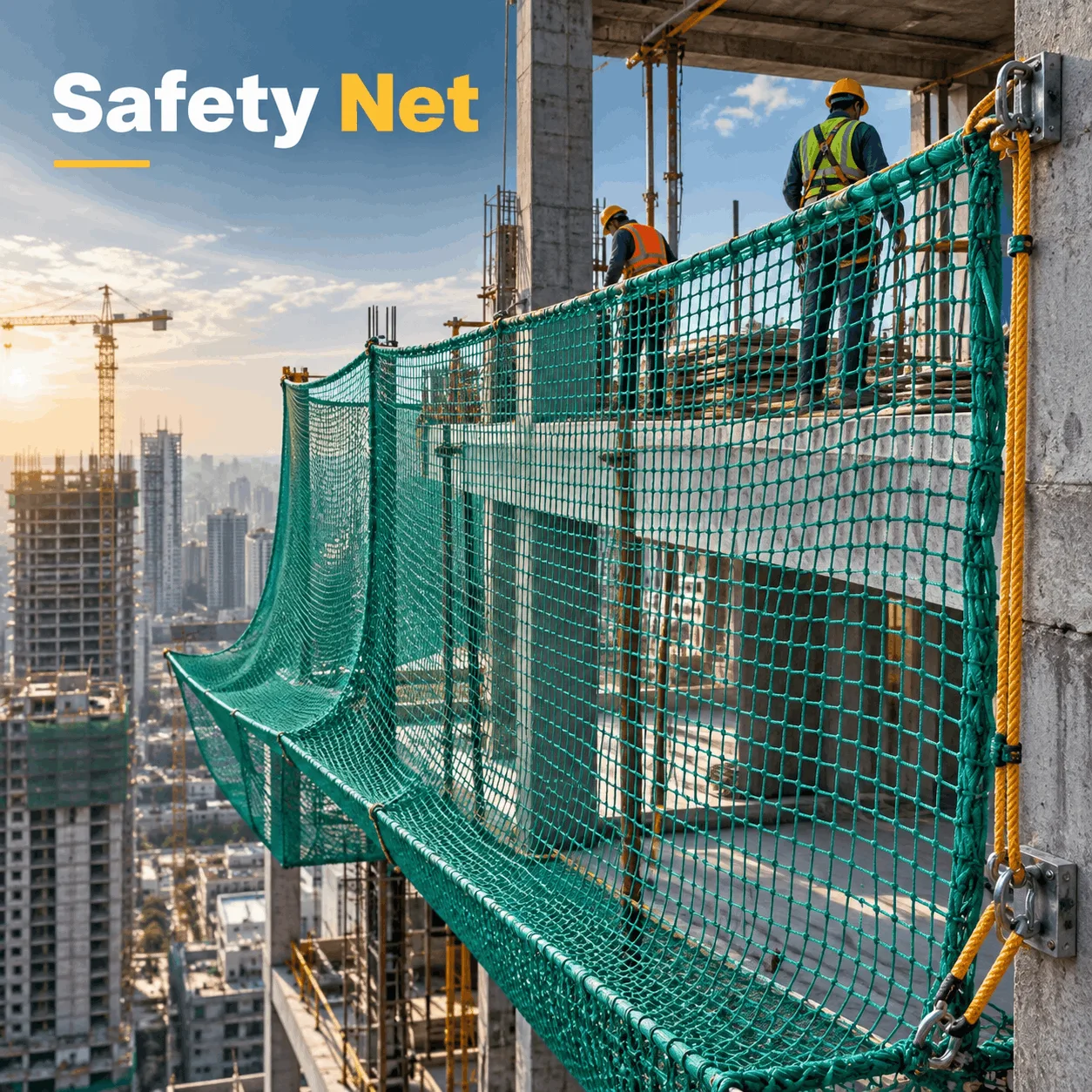
Modern construction and industrial projects are growing rapidly across India. High-rise buildings, highways, bridges, factories, warehouses and infrastructure developments require thousands of workers to perform activities at height every day.
With increased height-related work comes increased responsibility for worker protection.
A Safety Net works as a passive fall protection system designed to reduce the consequences of accidental falls from elevated areas. It provides a protective barrier beneath or around work zones where workers may be at risk of falls. Safety nets are widely used in construction and other industries because they provide continuous protection without relying entirely on workers’ reaction time.
Unlike personal protective equipment that protects an individual worker, safety nets create a broader protective environment around the workplace.
A complete height safety approach usually combines:
Kawach Safety focuses on helping industries create safer working conditions through practical safety solutions and industrial protection products.
A Safety Net is a specially manufactured protective netting system used to prevent serious injuries from falls from height or from falling objects.
Safety nets are designed to absorb impact energy and reduce the distance of uncontrolled falls.
They are commonly used in:
The primary objective of a safety net is:
“To provide a secondary protection layer that helps protect human life when unexpected accidents happen.”
A safety net does not replace safe work practices, training, or personal fall protection equipment. Instead, it works as an additional safety measure.
Construction workers frequently operate in environments where risks cannot be eliminated.
Common situations include:
Even experienced workers can face unexpected situations because of:
A properly selected Construction Safety Net helps reduce the severity of these risks.
Falls from height are among the most serious workplace hazards.
A safety net provides a protective catching surface that helps reduce direct impact with hard surfaces.
It acts as a safety backup when primary protection systems fail or when unexpected incidents occur.
Construction sites contain many loose materials:
Falling objects can injure workers working below.
A Debris Safety Net helps control these risks by reducing the possibility of materials falling outside the protected area.
Safety is not only about equipment; it is also about creating confidence among workers.
When workers know that proper safety systems are installed, they can focus better on their responsibilities.
A construction safety net is designed for building and infrastructure projects where workers operate at height.
Applications:
Benefits:
Industrial safety nets are used in factories, plants and industrial environments.
Common applications:
Industries using industrial safety nets include:
High-rise buildings require special safety arrangements during construction.
Building safety nets helps protect:
They are commonly installed around building structures at various stages of construction.
Debris nets are primarily designed to control falling debris.
They help prevent:
from reaching lower working zones.
Horizontal safety nets are installed below elevated working areas.
Applications:
Vertical safety nets are installed around open sides of structures.
Applications:
The effectiveness of a safety net depends on several important factors, including material strength, manufacturing quality, installation method and regular inspection.
A professional industrial safety net should be selected after considering:
Low-quality safety nets may fail to provide the required protection during critical situations. Therefore, industries should always choose safety products from reliable manufacturers who understand workplace risks.
HDPE is commonly preferred for industrial safety applications because of its:
HDPE safety nets are suitable for construction and industrial environments where long-term outdoor usage is required.
Nylon safety nets are known for:
They are useful in applications where flexibility and energy absorption are important factors.
Polypropylene safety nets offer:
They are used in multiple industrial and construction applications.
Before purchasing a safety net, safety managers should evaluate the following features:
A safety net should be capable of withstanding the impact of accidental falls.
Strong construction helps maintain performance under demanding workplace conditions.
The primary purpose of a fall protection safety net is to absorb impact energy.
A properly designed safety net helps reduce the force transferred during a fall.
Construction sites are exposed to:
A quality safety net should maintain performance under different environmental conditions.
The border rope plays an important role in:
Mesh size selection depends on:
Different workplaces require different safety net specifications.
Even the best quality safety net cannot perform effectively without proper installation.
Incorrect installation may reduce:
Professional installation should consider:
Safety managers should ensure that the installation complies with workplace safety requirements and manufacturer recommendations.
Construction remains one of the largest users of safety nets.
Applications include:
Safety nets help construction companies create safer working environments for employees and contractors.
Large infrastructure projects require extensive safety planning.
Safety nets are used in:
Factories often have:
Industrial safety nets provide additional protection in such environments.
Modern warehouses use:
Safety nets can help reduce risks related to height-related operations.
Selecting the correct safety net is an important safety decision.
Before purchasing, companies should evaluate:
Understand:
Different applications require different solutions:
Requirement | Suitable Solution |
Worker fall protection | Fall protection safety net |
Building construction | Construction safety net |
Falling material control | Debris safety net |
Industrial maintenance | Industrial safety net |
Open edge protection | Vertical safety net |
Consider:
A safety net should work together with:
A complete safety approach provides better workplace protection.
Many workplace safety problems arise because companies focus solely on price rather than protection.
Avoid these mistakes:
Cheap products may compromise durability and reliability.
Safety equipment protects human lives; quality should always be the priority.
A safety net suitable for one project may not be suitable for another.
Every workplace requires risk-based selection.
Regular inspection is necessary to identify:
Incorrect fixing or installation can reduce safety effectiveness.
Regular inspection helps maintain safety performance.
Companies should check:
Inspect for:
Check exposure effects from:
Safety nets should be:
Kawach Safety focuses on helping industries create safer workplaces through reliable industrial safety solutions.
Workplace safety requires more than purchasing equipment. It requires understanding:
Kawach provides safety solutions designed for industries requiring dependable protection systems, including:
The objective is simple:
Helping organizations reduce workplace risks and protect the people who keep industries running.
Kawach understands that every workplace has different safety challenges.
Construction sites, factories and infrastructure projects require different protection strategies.
Instead of treating safety nets as an isolated product, Kawach focuses on complete fall protection solutions.
Companies can combine:
for better workplace safety planning.
Safety equipment must perform when it matters most.
Kawach focuses on providing products designed for industrial applications and professional workplace requirements.
Industrial development is expanding throughout India, increasing the need for reliable workplace safety systems.
Kawach supports safety requirements across major industrial regions, including:
Whether you are a construction company, contractor, factory owner, EPC company, or safety manager, selecting the right safety net solution helps create safer working environments.
Every construction worker, technician, engineer and industrial employee deserves a workplace where safety is treated as a priority.
A reliable safety net system helps organizations move from reactive accident management to proactive safety protection.
Investing in quality safety equipment means:
Kawach Safety helps industries take another step toward safer workplaces.
A Safety Net is used to protect workers from falls and reduce the risk of injury during height-related activities in construction and industrial workplaces.
Safety nets are commonly installed at construction sites, high-rise buildings, industrial plants, infrastructure projects and maintenance areas.
No. A safety net provides secondary protection, while a safety harness and lifeline system provide personal fall protection.
The right construction safety net depends on project requirements, working height, installation area and safety conditions.
A safety net reduces the impact of accidental falls by providing a protective catching surface below elevated work areas.
Industrial safety nets are commonly manufactured using materials such as HDPE, nylon and polypropylene, depending on application requirements.
Yes, specific debris safety nets are designed to help control falling materials and construction debris.
Safety nets should be inspected regularly according to workplace conditions, usage frequency and manufacturer recommendations.
Yes, Kawach provides industrial safety solutions for businesses and projects across PAN India.
Selection depends on workplace risk, application type, installation location, required protection level and professional safety guidance.
Worker safety is not just a compliance requirement; it is a responsibility.
Choosing the right Construction Safety Net, Industrial Safety Net, or Fall Protection Safety Net helps organizations create safer workplaces and protect valuable human lives.
Kawach Safety provides reliable workplace safety solutions designed for industries where protection matters the most.
Contact Kawach Safety today to discuss your Safety Net requirements and build a safer working environment for your team.
WhatsApp us